News about general rural mental health issues and organizations
News about Mental Health And Rural America
Click here for Rural Minds™ Blog
Click Here for Rural Minds in the News

Few Doctors, Spotty Internet: Finding Mental Health Care Tough for Many Americans — U.S. News and World Report
Nearly one in five counties across the United States lack psychiatrists or internet service, making it difficult for around 10.5 million Americans to find mental health care, a new study shows. The counties examined in the study were more likely to be in rural areas, have higher unemployment rates, and have populations that were more likely to be uninsured and lack a bachelor’s degree. What’s worse, individuals who fall into any one of these categories are also more likely to suffer from depression and anxiety. So, the need for mental health services is especially critical in areas with the greatest barriers to access, the researchers noted. And while the pandemic created a rapid demand for telehealth, the medium has yet to reach the areas that need it most.

Even in the Most Depressed County in America, Stigma Around Mental Illness Persists — KFF Health News
An estimated 32% of adults in Logan County, West Virginia, have been diagnosed with depression — the highest rate in the United States and nearly double the national rate, according to a report released in June by the Centers for Disease Control and Prevention. The study, which provided estimates by county based on a national survey of nearly 400,000 people conducted in 2020, showed depression rates varied widely by region and even within states. Most counties with the highest rates were in a 13-state swath of Appalachia; the southern Mississippi River Valley, particularly Arkansas, Louisiana, and Tennessee; and Missouri, Oklahoma, and Washington. The states with the lowest rates included California, Illinois, Alaska, and Hawaii. West Virginia, which also has some of the nation’s highest rates of poverty and poor health, is home to eight of the 10 counties with the highest estimated rates of adult depression, the CDC survey found.

More Than $800M Aims to Strengthen Rural Infrastructure and Create Jobs – Morning AgClips
More Than $800M Aims to Strengthen Rural Infrastructure and Create Jobs – Morning AgClips: Funding to benefit nearly 480,000 people and advance President Biden’s Investing in America agenda.
WASHINGTON — U.S. Department of Agriculture (USDA) Secretary Tom Vilsack announced that USDA is investing $808 million to help rural cooperatives and utilities build and improve electric infrastructure and increase electric grid reliability and security, connecting hundreds of thousands of people in rural areas. This funding will also help provide clean drinking water and sanitary wastewater systems in rural areas for years to come. Today’s announcement will benefit nearly 480,000 people in 36 states and two U.S. territories while building and strengthening rural infrastructure, and creating good-paying jobs.

Life in a rural ‘ambulance desert’ means sometimes help isn’t on the way – Medical Marketing and Media
In rural areas where hospitals have shuttered, like Pickens County, the nearest surviving facilities are long drives away, ambulance coverage is sparse, and residents in the throes of medical emergencies often find their situations even more precarious. In May, the rural health research and policy centers released the results of an effort by the Maine Rural Health Research Center to document coverage gaps in the availability of ambulance services across the country — what the researchers refer to as “ambulance deserts.” They define those deserts as places where people live more than 25 minutes from the nearest station.

$700M to Help Connect People in Remote and Rural Areas to High-Speed Internet — Morning AgClips
US Department of Agriculture (USDA) Secretary Tom Vilsack has announced nearly $700 million in grants and loans to connect thousands of rural residents, farmers and business owners in 22 states and the Marshall Islands to reliable, affordable high-speed internet through the ReConnect Program, funded by President Biden’s Bipartisan Infrastructure Law. This program is uniquely designed to fund the most difficult high-speed internet projects in the nation, which are the most rural, remote and unserved communities.
Connecting all communities across the United States to high-speed internet is a central part of President Biden’s Investing in America agenda to rebuild the economy from the bottom up and middle out by rebuilding our nation’s infrastructure.This agenda is driving more than $500 billion in private-sector manufacturing investments, rebuilding America’s infrastructure, lowering costs, and creating good-paying jobs. And it’s transforming our country for the better – reaching communities in every corner of the United States, including those that have too often been left behind.

Episodes focuse on stressors that are beyond the farmer’s control – Morning AgClips
UNIVERSITY PARK, Pa. — Penn State Extension recently launched a new podcast — “Farm Stress Real Talk” — that focuses on supporting farmers, farm families and workers in the commercial agriculture industry who are experiencing stress. Listeners now can stream or download all five episodes of the first season. Ginger Fenton, dairy extension educator, noted that podcasts are a convenient resource for farmers. “We know farmers are busy, so we thought a podcast with targeted, practical information would be a good way to reach them,” she said. “Farmers can listen to the podcast while doing chores or operating machinery. The episodes are around 10 minutes to fit into a farmer’s busy day.”
Look In The Mirror To Find The Most Important Farm Asset — Dakota Farmer
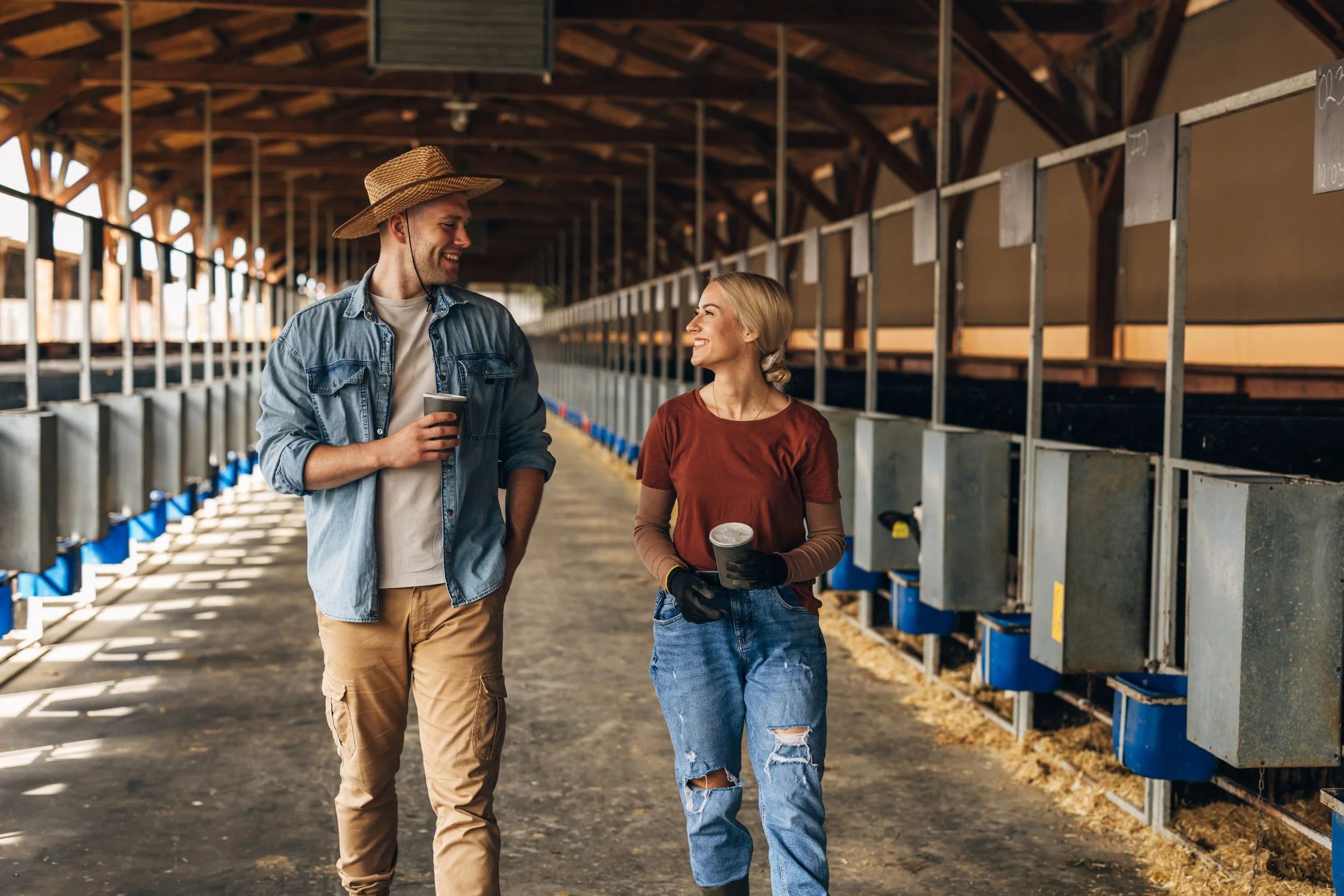
For farmers and ranchers, the daily grind can be monotonous, as if reliving the same day repeatedly. A typical day begins with an alarm set early for morning chores, and then heading out to the field or going on a part run. There is always a task to be done or something to be fixed. Producers are often pulled in multiple directions, especially during the busy seasons. Overtime, the day-to-day farm tasks build up to the point of being overwhelming.

Sexual Violence Is a Pervasive Threat for Female Farm Workers — Morning AgClips
In a recent report, the U.N. Food and Agriculture Organization called for transformative changes to the formal and informal social systems that disempower women who work on farms and in the food sector around the world. While violence against women in agriculture may seem like an issue mainly experienced in developing countries, the truth is that it also happens all too often to women and girls on farms in the U.S.

A Year of 988: The First Step in a Long Journey — Psychiatric Times
“The transition to the 988 Suicide & Crisis Lifeline has sparked a transformational moment in behavioral health care in this country. For the first time in my 26-year career history, every state and territory is talking about improving their behavioral health crisis systems,” said Monica Johnson, MA, director of the 988 & Behavioral Health Crisis Coordinating Office at the Substance Abuse and Mental Health Services Administration (SAMHSA). “While we know that there is still much work to do to achieve a robust response system for mental health and substance use crisis care across the country, we have accomplished a lot in the past year. The data show that, since the transition to 988, more people are reaching out for help, and they are getting a response much faster than ever before to get the help that they need in a time of crisis.”
For Decades, the Top Rural Health Issue Has Been Access to Basic Care; Now It’s Mental Health and Addiction – Daily Yonder
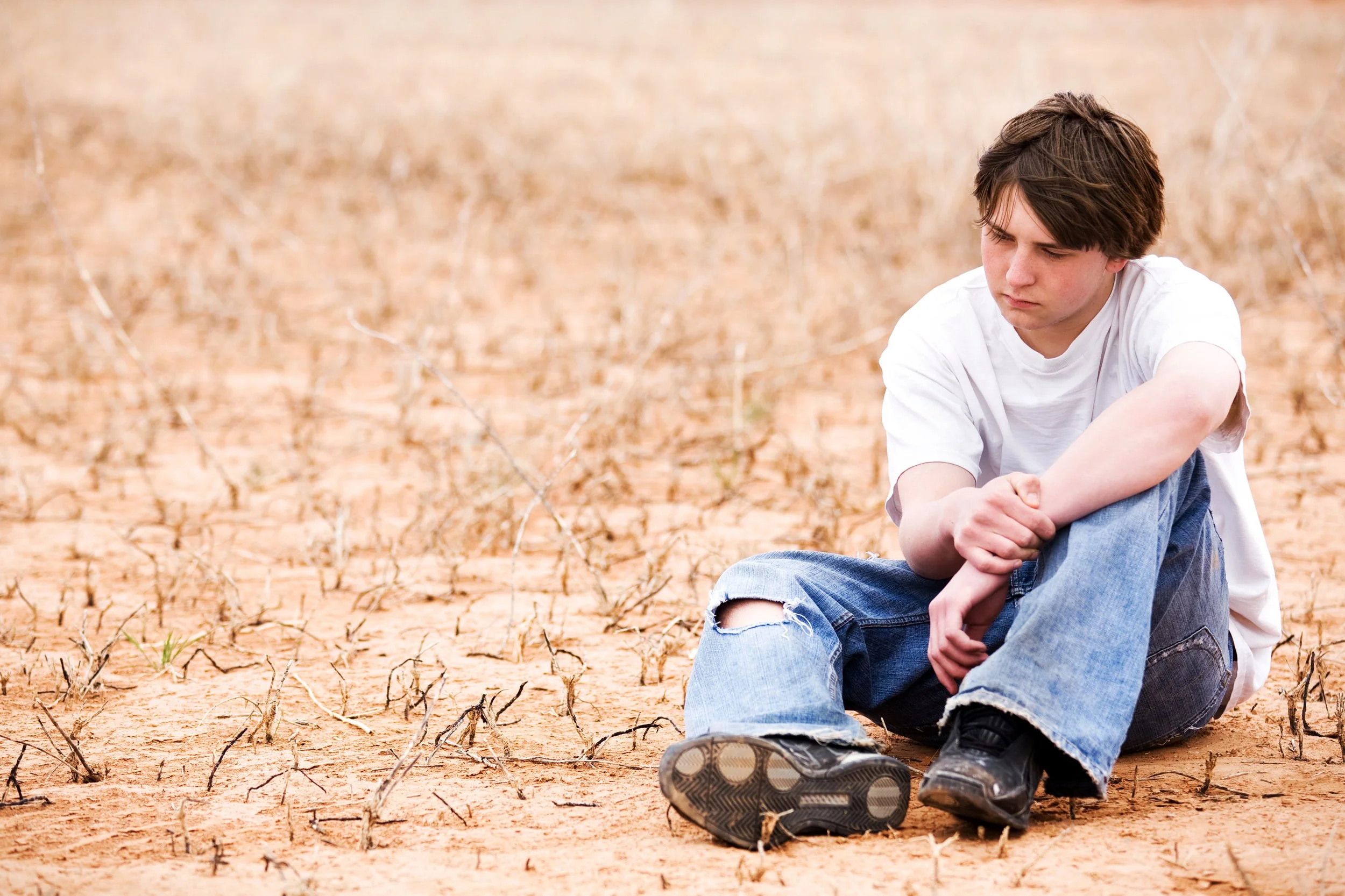
For the first time in 20 years, mental health and addiction are more pressing health concerns than getting access to basic healthcare, according to a survey of rural stakeholders. Rural Healthy People 2030, released by the Southwest Rural Health Resource Center, surveyed a national sample of people “working to improve the lives and health of rural Americans,” to determine the most important issues facing rural residents. Participants included people working in health care, public administration, education, human services, and other fields. In 2010 and 2020, the biggest issue in the survey was access to health care.
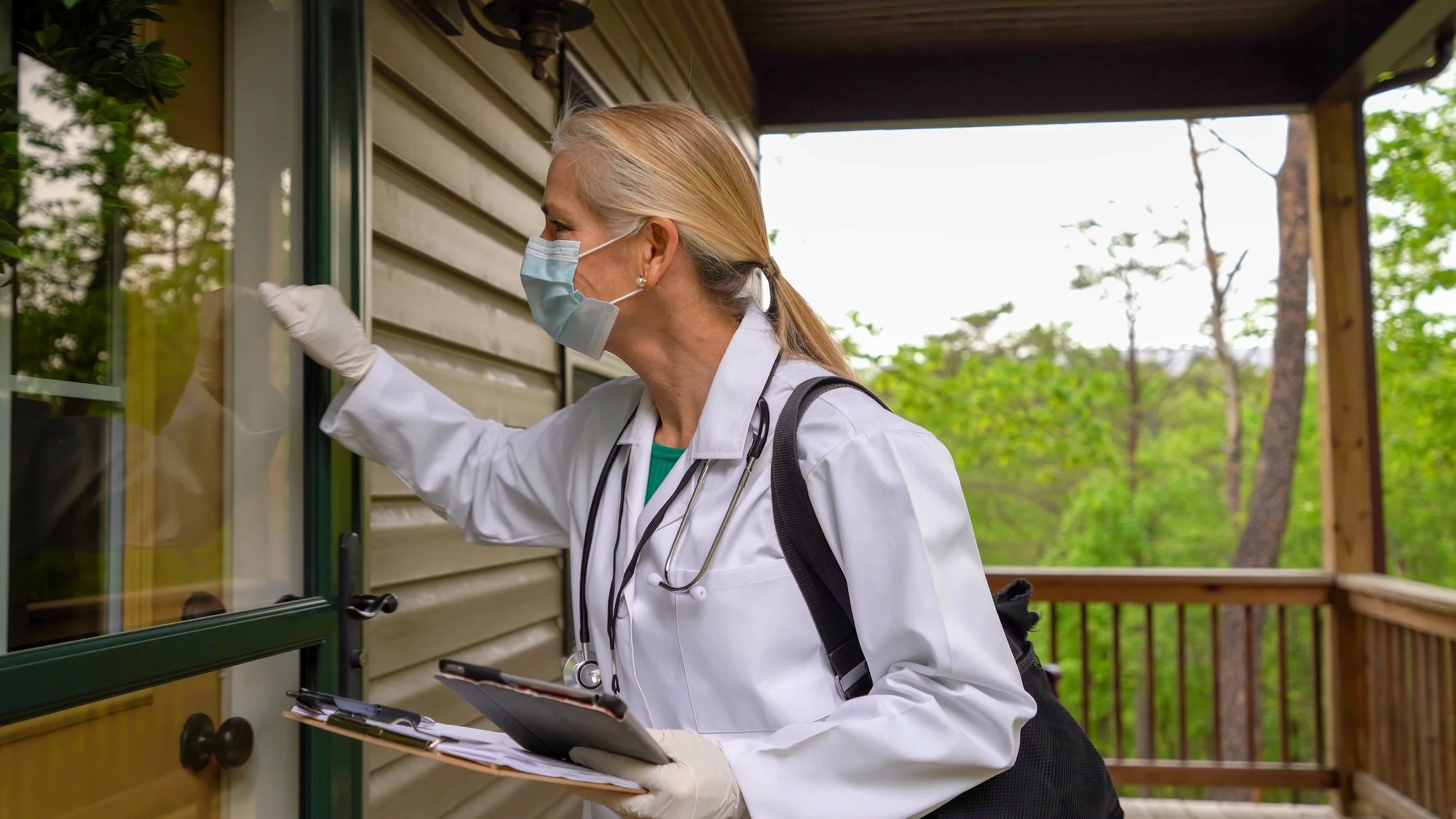
Need Nurses? Grow Your Own, Says Rural Nurse Educator – Health Leaders Media
Those who are most interested in a rural healthcare practice are those who grew up in and prefer a rural setting. With the need for rural practitioners critical, the most effective way for rural hospitals and health systems to adequately staff for nurses and nurse practitioners is to grow their own, says nurse educator and practicing clinician. The need for advanced practice nurses (APRNs) in rural areas is great, as hospitals close and the number of physicians declines. Nearly 80% of U.S. rural counties are medical deserts, with no access to healthcare services, according to the National Rural Health Association.

Depression Statistics In 2023 – Forbes
About 5% of adults globally have depression. That number is likely even higher as not everyone who has depression obtains an official diagnosis. To draw awareness to the state of mental health in the U.S. and around the world, we’ve gathered some statistics about depression. The numbers shed light on the fact that certain population groups are disproportionately affected by depression, including women and Black and Latinx communities. Reading through the statistics surrounding depression may hopefully help foster a better sense of understanding about either your own mental health or that of a friend or loved one. Ultimately, the numbers show you are not alone if you are living with depression.

9 Tips for Finding the Right Therapist – Healthline
When thinking about how to find a therapist, it’s important to consider local resources, apps, organizations, and reliable online therapy options. Here’s everything you need to know. If you’re considering therapy — whether it’s to restore a relationship, recover from trauma, adjust to a new life phase, or improve your mental health — finding the right therapist is the first hurdle to cross. Researchers have found that the bond between you and your therapist is likely to have a big impact on your growth. That’s why it’s important to do your research, ask questions, and pay attention to your own responses in your search for the therapist that’s right for you.

A Guide To The Best Depression Support Groups – Forbes
Depression is one of the most prevalent mental health disorders across the globe, impacting an estimated 5% of adults worldwide. In the U.S., that number may be even higher, with 14.8 million, or 6%, of adults experiencing at least one major depressive episode in the past year, according to a 2020 National Survey on Drug Use and Health. Support groups tailored to individuals living with depression can be a particularly beneficial treatment option—especially given their ability to help combat social isolation and foster community. In this article, we explore the differences between therapy and support groups, the advantages of participating in a depression support group and provide guidance on how to find a support group suitable for you or a loved one dealing with depression.

Rural Caregivers Face Mental Health Challenges Too – Iowa Agribusiness Radio Network
May is Mental Health Awareness Month, and Rural Minds and the National Grange Society held a webinar discussing the challenges facing caregivers in rural America. Those mental health challenges often get overlooked. Brittnee Henry is a communications and marketing professional who returned to her home in Iowa to care for her father when it became clear he couldn’t live on his own anymore. “I chose to move home and be his advocate,” Henry said. “Even though he’s in a care facility, people must have an advocate and someone that can be there on a day-to-day basis at the drop of a hat if need be. Because of the nature of the disease with frontal temporal dementia, there’s a lot of agitation, there’s fear, and it was necessary for me to move home. So, it’s been a lot of tipping your life upside down, but I realized it’s really important to take care of yourself first when you’re a caregiver.”

Sen. Gillibrand Proposes Creation of 24/7 Hotline Addressing Farmers’ Mental Health — WestFair Online
Sen. Kirsten Gillibrand has put forth proposed legislation designed to address the mental health needs of farmers. Gillibrand’s National Agricultural Crisis Hotline Act would establish a 24/7 national crisis hotline to provide real-time live assistance catered to the unique needs of farmers, ranchers and their families. The hotline would be staffed by crisis specialists, licensed health care and mental health professionals with knowledge of the agriculture experience who can provide suicide crisis intervention, mental health and substance use disorder support and agriculture-related referral services.

Systems of Care & Collaborative Approaches: An Answer to the Youth Mental Health Emergency — Psychiatric Times
Mental health needs, including emergency department visits and suicide rates among youths, have skyrocketed in the US, but access to treatment remains inadequate. Before the COVID-19 pandemic, approximately half of the children with mental health needs in the US were not receiving treatment from a mental health professional. The pandemic exacerbated this crisis by further decreasing access to treatment and increasing psychosocial risk factors such as family unemployment, social isolation, and increased family stress. Consequently, a National Emergency in Children’s Mental Health was declared in a joint communication by the American Academy of Pediatrics, the American Academy of Child & Adolescent Psychiatry and the Children’s Hospital Association. Families cannot find mental health care for their loved ones; psychiatrists experience an insatiable need for their services; emergency departments are overrun by youths in crisis and waiting for an inpatient bed for days, if not weeks—many would argue that the mental health system needs to be fixed. But the key questions are: How do we fix it? And where do we start?
Farm Stressors Affect Mental Health of Adults and Adolescent Children — Morning AG Clips
Agriculture is a stressful occupation, and farmers face substantial mental health challenges. Research indicates they often experience higher levels of anxiety and depression compared to the general population, but less is known about the effects on their families. A new study from the University of Illinois Urbana-Champaign explores how economic stressors affect the mental health of U.S. farmers and their adolescent children.
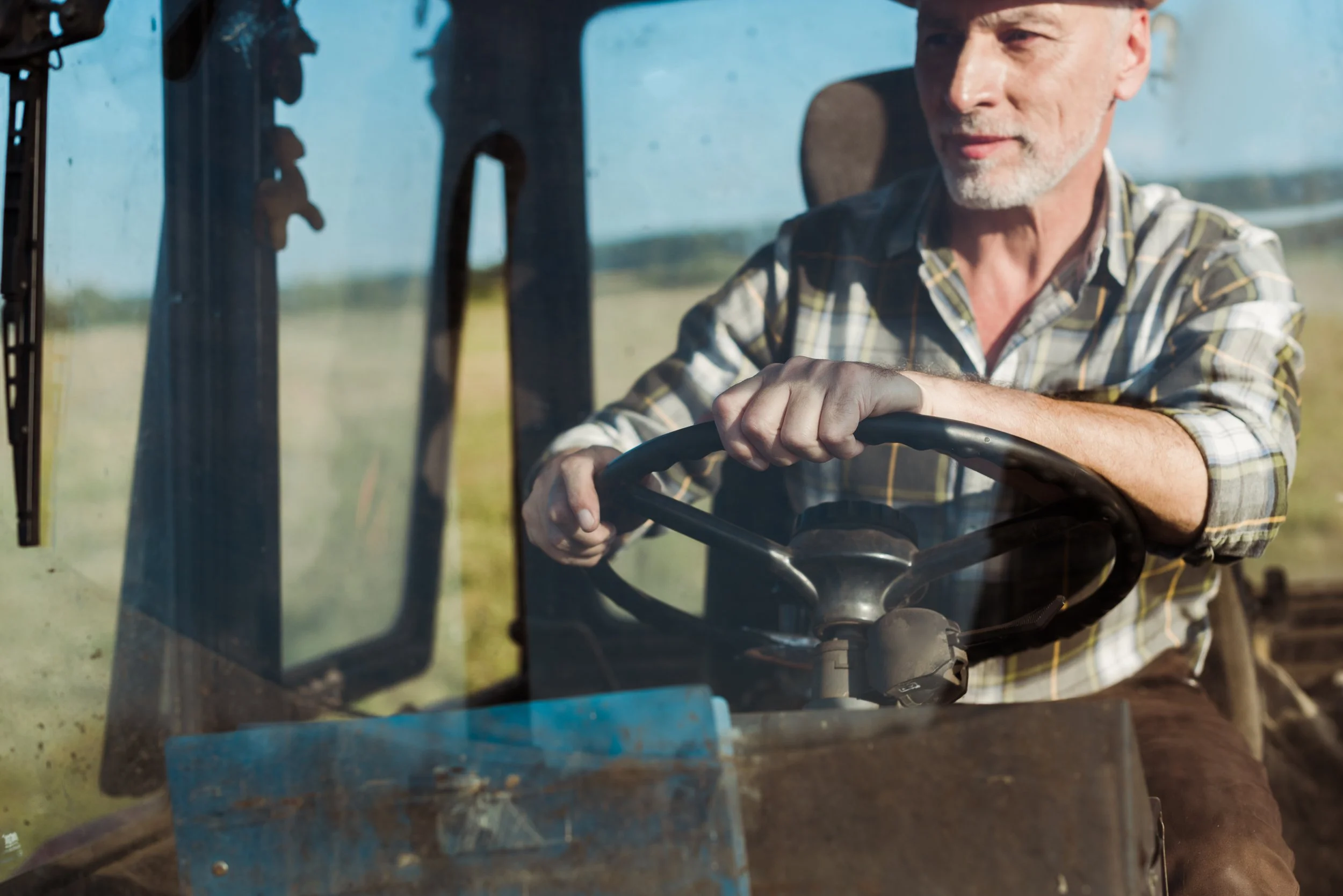
Saving the farm: Heartland clergy train to prevent agricultural workers’ suicides – AP
The threat of losing these beloved family farms has become a constant worry, affecting many farmers’ mental health and raising concerns of another uptick in suicides like during the 1980s farm crisis. Much of the stress stems from being dependent on factors largely outside their control – from the increasingly unpredictable weather to growing costs of equipment to global market swings that can wipe out profits. “You’d be surprised how many people are suffering with depression. Farmers have been a group of people who keep problems to themselves, proud and private,” said Bob Worth, a third-generation crop farmer who with his son works 2,100 acres of rich, black soil near the hamlet of Lake Benton.

Mental Health Awareness Month: Fighting the growing mental health crisis and supporting innovation – PHRMA
Unfortunately, developing medicines to treat mental illness has some of the lowest probabilities of success. This is due in large part to the inherent scientific challenges and complexities that come with developing medicines to treat these illnesses, including a limited understanding of the brain and the neurochemical pathways involved in these illnesses. Though the field of neuroscience has made advancements in recent years, there remains a significant gap in the larger understanding of how mental illnesses develop in the first place. This, combined with the extremely diverse nature of the diseases themselves — which often manifest differently in different people — have made it difficult to identify biomarkers that can aid in diagnosis, treatment and the development of medicines to treat these illnesses.