Rural Mental Health Resilience
A program of hope
There’s a mental health emergency in rural America:
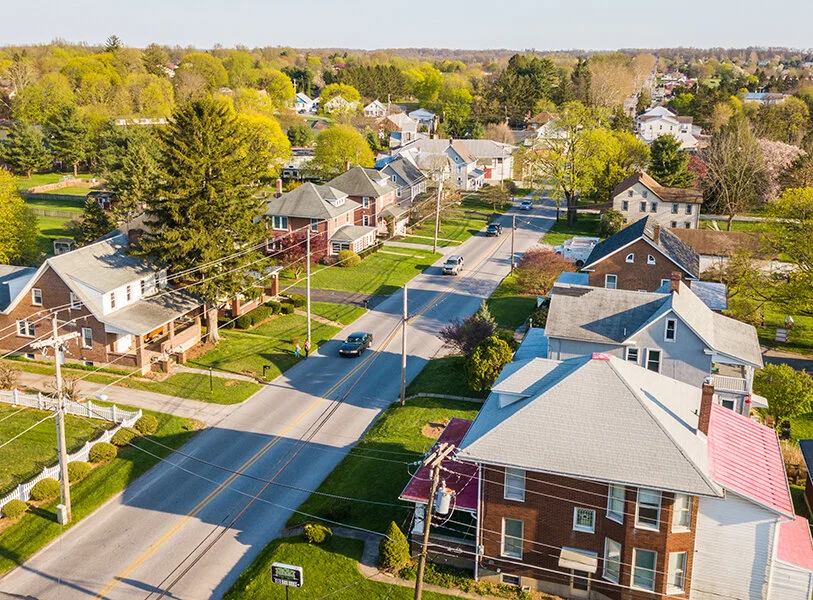
People living in rural areas have higher depression and suicide rates, but are less likely to access mental health care services, compared to people living in urban areas.
Suicide rates among people living in rural areas are 64 to 68 percent higher than those in large cities, according to recent data from the U.S. Centers for Disease Control and Prevention (CDC).
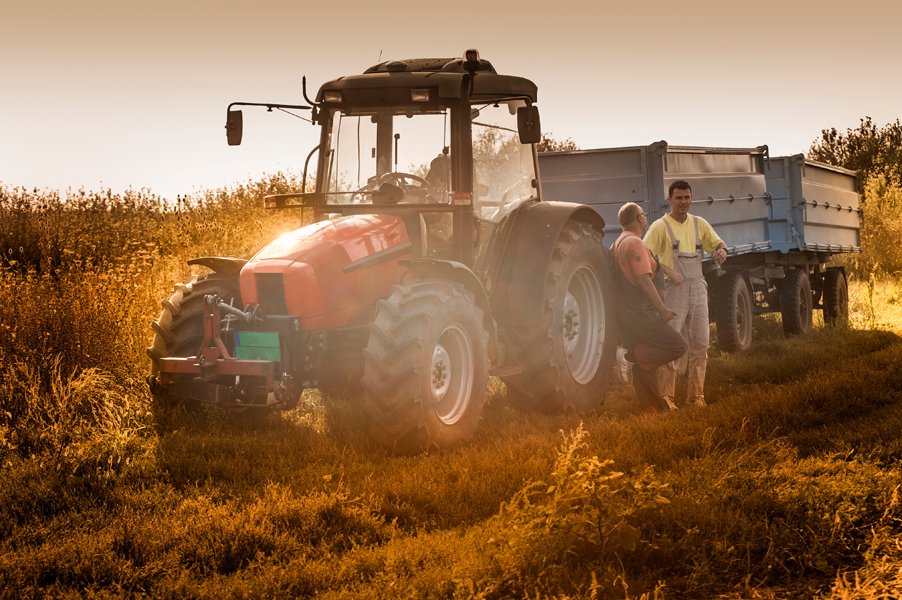
Farmers are twice as likely as people in other occupations to die by suicide.


Presented by:

WIth Generous Support From:





AND DISTRIBUTION OF PROGRAM MATERIALS THROUGH PARTNER ORGANIZATIONS:
Anxiety & Depression Association of America / ADAA
American Soybean Association / ASA
If you or someone you know is suicidal or in emotional distress, call or text 988 for 24/7 support.
If this is a life-threatening emergency, call 911 or go to the nearest hospital emergency room.
You can also chat at 988lifeline.org if you are in crisis or if you are worried about a loved one who may need crisis support, including having thoughts of suicide or experiencing a mental health or substance use crisis.
Program Overview
The dictionary defines resilience as:
The capacity to withstand or to recover quickly from difficulties; toughness.
In response to the mental health crisis in rural America, Rural Minds and the National Grange have developed the Rural Mental Health Resilience Program to provide mental health information, resources and training for people who live in rural communities across the country.
The Rural Mental Health Resilience Program provides an approach for improving rural mental health by:
Recognizing the self-reliance of many people in rural America as a strength for confronting the problem.
Giving people who live in rural America the mental health information and resources they need to become part of the solution.
Encouraging the courageous conversations about mental illness and suicide that must be heard.
Enlisting people to serve as trusted sources of reliable information to help their family, friends and rural community.
Help Those Struggling with Mental Health in Your Community
Knowing that many rural Americans are resilient and self-reliant, the Rural Mental Health Resilience Program was developed for folks who want to take it upon themselves to confront mental health challenges in rural America.
The free program materials include:
Rural mental health fact sheets and flyers to share in your community.
Tips and information about how to start a conversation about mental illness with people you know who might be struggling and for sharing with people in your community.
Guide for planning, promoting and leading community meetings that raise awareness about mental health challenges in rural America and provide access to potentially life-saving information.
Lists of organizations that provide mental health support and services.
The Rural Mental Health Resilience Program – Be Part of the Solution
The following free information, materials and resources can be viewed online or downloaded and printed. We encourage you to use any or all of the following program materials that you find helpful in order to improve mental health in your rural community.
Your Voice Is Stronger Than Stigma
Among the many challenges to mental health in rural America, the biggest barrier is the stigma or shame that often surrounds mental illness. Improving rural mental health begins with talking about it to overcome the stigma.
Contributing the strength of your voice to the conversation lets others know that – not only is it okay to talk about mental illness – it’s necessary. Positive change won’t happen without it! We must speak openly about mental health challenges and mental illness to make things better in rural communities.
Learn about the ways that you can Be the Voice for Rural Mental Health.
Or email us at info@ruralminds.org.
Program Table of Contents
Program Section 1: Facts About Rural Mental Health
Click on the link above for direct access to the documents listed below:
Rural Mental Health Resilience Program Flyer
Rural Mental Health Emergency Fact Sheet
Rural Mental Health Lifestyle Challenges
Overcoming Stigma That Surrounds Rural Mental Illness
5 Common Myths About Rural Mental Health and Suicide
Suicide Awareness and Prevention Warning Signs
Fact Sheets on Mental Health Conditions
Click on the link above for direct access to the documents listed below:
Bipolar Disorder Fact Sheet
Generalized Anxiety Disorder Fact Sheet
Major Depression Fact Sheet
Postpartum Depression Fact Sheet
Post-Traumatic Stress Disorder Fact Sheet
Schizophrenia Fact Sheet
Substance Use Disorder Fact Sheet
Tardive Dyskinesia Fact Sheet
Program Section 2: Talking About Rural Mental Health
Click on the link above for direct access to the documents listed below:
Conversation Starters
Sample Email Content and Social Media Posts
“Wallet Cards” – Printable program promotional hand-out (same size as a business card)
Posters - printable program promotional posters
Program Section 3: Hosting A Rural Mental Health Event
Click on the link above for direct access to the documents listed below:
Event Planning Roadmap
Key Messages for a Community Talk
PowerPoint Slide Presentation
Editable Event Brochure | Sample Event Brochure
Media Alert For Grange Event
Detailed Media Release
Interview Q&A Template
Social Media Post Graphics
Printed Banner PDF
Website Banner Graphic
Yard Sign
Program Section 4: Free Rural Mental Health Resources
Click on the link above for direct access to the documents listed below:
Crisis Resources
Mental Health Resources by Topic
Mental Health Resources A-to-Z
Program Section 1: Facts About Rural Mental Health
There are many myths and misunderstandings about mental illness and suicide, which can act as barriers to someone seeking help for themselves or someone they love who is experiencing a mental health challenge or crisis. By discovering and sharing facts about mental illness in your community, you can:
Help people have a better understanding of how mental illness impacts people in rural areas in order to reduce the stigma around mental health challenges.
Share these resources with people in your family, friends or neighbors.
Share with community organizations in your area like houses of worship, schools, PTAs, your local Grange, veterans groups, the public library, etc.
Let local bloggers, broadcasters or news outlets know about this program and the materials available.
Click to read or download any or all of the documents that interest you. You can print them out and post them, or send as email attachments to people in your community.
USE THESE MATERIALS TO LEARN AND SPREAD THE WORD ABOUT RURAL MENTAL HEALTH:
Rural Mental Health Resilience Program Flyer – Provides a program overview with website address and can be printed and posted on bulletin boards in your community.
Rural Mental Health Emergency Fact Sheet – Highlights the most relevant rural mental health data and statistics
Rural Mental Health Lifestyle Challenges – Outlines the mental health barriers unique to those living in rural America
Overcoming Stigma That Surrounds Rural Mental Illness – Identifies the source of stigma and how to help overcome it
5 Common Myths About Rural Mental Health and Suicide – Dispels common misconceptions about mental illness and suicide
Suicide Awareness and Prevention Warning Signs – Provides information to help recognize and respond to suicidal behavior
Program Section 2: Talking About Rural Mental Health
It can be uncomfortable to start a conversation with someone who you think may be struggling. The following tools will give you tips about talking to individuals about mental illness, as well as instructions and resources for hosting a community talk on mental illness and sharing information on social media.
Click the link buttons to read or download any or all of the documents to share with people in your community.
USE THESE MATERIALS TO TALK TO OTHERS ABOUT RURAL MENTAL HEALTH:
Conversation Starters – Suggests how to start the conversation about mental health with someone who may be struggling with a mental health challenge
Sample Email Content and Social Media Posts – Provides content that can be personalized to help promote the Rural Mental Health Resilience Program
“Wallet Cards” – Printable program promotional hand-out (same size as a business card)
Posters – Printable program promotional posters
Program Section 3: Hosting A Rural Mental Health Event
The first step in overcoming the stigma surrounding mental illness in rural America is to help people in rural communities understand mental illness better and learn that it’s OK to reach out for help. By getting the conversation started in your community, you can be part of the solution in the rural mental health crisis.
USE THESE MATERIALS FOR HOSTING A RURAL MENTAL HEALTH EVENT:
Event Planning Roadmap – Provides an action plan and timeline for developing, promoting and leading a rural mental health resilience event
Key Messages for a Community Talk – Outlines a conversational-style presentation with rural mental health facts, challenges and resources
PowerPoint Slide Presentation – Provides rural mental health facts, challenges and resources along with information about this program and how to use the materials
Sample Event Brochure | Editable Event Brochure – Provides a template to promote a local event that you can customize with dates, times and locations, including an event overview and background information on Rural Minds and the National Grange
Media Alert for Grange Event – Provides event information that can be customized for the Grange location or anyone hosting the event and sent to local media outlets
Media Release for Grange Event – Provides basic information to generate local news about the event at a Grange location in newspapers or on radio or TV stations
Media Release for Community Event (Not Affiliated with the Grange) – Provides basic information to generate local news about the event in newspapers or on radio or TV stations
Interview Q&A Template – Prepares the event spokesperson for a media interview with sample questions and answers for accurate and consistent communication
Social Media Post Graphics – Provides templates for social media posts to help promote the event
Website Banner Graphic – Use this graphic on your organization’s website or social media page to publicize your event
Printed Banner PDF – Use this file to have a banner printed at your local printer, for hanging indoors or outdoors at your event venue
Yard Sign – Use this file to have yard signs printed at your local printer and to display in your community to help raise awareness for your upcoming event by adding event details in the lower half of the sign to include the name of the event, date, time, and location/address
Editable Event Flyer – Add information to promote your meeting in your community.
Program Section 4: Free Rural Mental Health Resources
find free mental health resources at the following links:
Crisis Resources
Mental Health Resources by Topic
Mental Health Resources A-to-Z
Data sources
Andrilla CHA, Patterson DG, Garberson LA, et al. Geographic Variation in the Supply of Selected Behavioral Health Providers. Am J Prev Med. 2018 Jun;54(6 Suppl 3):S199-S207. doi: 10.1016/j.amepre.2018.01.004. PMID: 29779543. Retrieved from: https://pubmed.ncbi.nlm.nih.gov/29779543/
Carpenter-Song-E, Snell-Rood. The Changing Context of Rural America: A Call to Examine the Impact of Social Change on Mental Health and Mental Health Care. Psychiatric Services. Nov. 15, 2016. Accessed at: https://ps.psychiatryonline.org/doi/10.1176/appi.ps.201600024
Centers for Disease Control and Prevention. (2022). Disparities in Suicide. Retrieved from: https://www.cdc.gov/suicide/facts/disparities-in-suicide.html
Centers for Disease Control and Prevention. (2020). Suicide Rates by Industry and Occupation – National Violent Death Reporting System, 32 States, 2016. Retrieved from: https://www.cdc.gov/mmwr/volumes/69/wr/mm6903a1.htm
HRSA Maternal Child & Health: Rural/Urban Differences in Children’s Health NSCH Data Brief (October 2020). Retrieved from: https://mchb.hrsa.gov/sites/default/files/mchb/data-research/rural-urban-differences.pdf
Mack B, Whetsell H, Graves JM. National Rural Health Association Policy Brief: Mental health in rural areas. Feb. 2020. Accessed at: https://www.ruralhealth.us/NRHA/media/Emerge_NRHA/Advocacy/Policy%20documents/NRHA-Mental-health-in-rural-areas-policy-brief-2022.pdf
NIH News in Health (2019, September). Teen Suicide Understanding the Risk and Getting Help. Retrieved from: https://newsinhealth.nih.gov/2019/09/teen-suicide
NIH Research Matters. Rural youth often lack access to suicide prevention services. Nov. 10, 2020. Accessed at: https://www.nih.gov/news-events/nih-research-matters/rural-youth-often-lack-access-suicide-prevention-services Rural Health Information Hub: Suicide in Rural Areas. (Last reviewed May 9, 2022). Accessed at: https://www.ruralhealthinfo.org/toolkits/suicide/1/rural#:~:text=The%20rate%20of%20suicide%20among%20rural%20youth%20age%2015%2D19,their%20urban%20counterparts%20(15.8%20vs
Vogels, E. Some digital divides persist between rural, urban and suburban America. Pew Research Center. (August 19, 2021). Retrieved from: https://www.pewresearch.org/fact-tank/2021/08/19/some-digital-divides-persist-between-rural-urban-and-suburban-america
Zhang Z , Son H, Shen Y, et al. Assessment of Changes in Rural and Urban Primary Care Workforce in the United States From 2009 to 2017, Original Investigation Health Policy. JAMA (October 28, 2020) Retrieved from: https://jamanetwork.com/journals/jamanetworkopen/fullarticle/2772305
If you or someone you know is suicidal or in emotional distress, call 988. These services are free and confidential.
If this is a life-threatening emergency, call 911 or go to the nearest hospital emergency room.
The vision of Rural Minds is a rural America where there’s no more silence, suffering or stigma around mental illness. The mission of Rural Minds is to serve as the informed voice for mental health in rural America, and to provide mental health information and resources. The information and resources provided by Rural Minds is in response to what we hear is needed in rural America to improve mental health.
If you have questions, feedback or suggestions about this program, Rural Minds would love to hear from you!