
Our Perspective on Important Topics related to Mental Health in Rural America
Rural Minds Blog
Are you interested in sharing your personal mental health journey in a blog post? Learn more here.
NY FarmNet: Preserving More Than Just Farms
Running a farm, no matter the size, requires more work than many people realize. While it is important to maintain land, equipment, livestock and crops, there is one aspect of farming that is often overlooked. Mental health in the agricultural industry carries a stigma in which asking for help is viewed as weak. Although farms need to be preserved, so do people. This is the purpose of NY FarmNet.
How One Woman's Recovery Inspired A Second Chance for OtherS
The loss of a close family member is a life-altering event. While everyone mourns differently, grief places people in a vulnerable state and can lead them down many different paths. Some cope by seeing a therapist or talking to loved ones. Others may turn to unhealthy coping mechanisms, such as alcohol or substance use, in an attempt to numb their pain. After the loss of her brother, addiction was Dr. Sally Broder’s reality.
A Day in My Life as a Caregiver
At 3 a.m., my son Tyler (not his real name) pounds on my bedroom door asking for a kratom drink (more about that later), coffee, and his daily spending money. I stay in bed. At 3:15, 3:45, 4, and 5:30 a.m., he pounds again. Three hours of sleep for me. Probably none for him. Not good for either of our mental illnesses. I’m the father and guardian of my 33-year-old son Tyler who lives with a serious mental illness (SMI) – schizoaffective disorder….

Aligning Passion With Purpose: Why I Chose to Intern at Rural Minds
Did you know that roughly one in six U.S. youth aged six to 17 experience a mental health disorder each year? Although this statistic may seem like just a number, to me it is a reminder of my high school classmate who took his own life. This person was someone I saw smiling every day in the hallways. Someone who lit up every room. Someone who you’d never expect to be silently struggling.
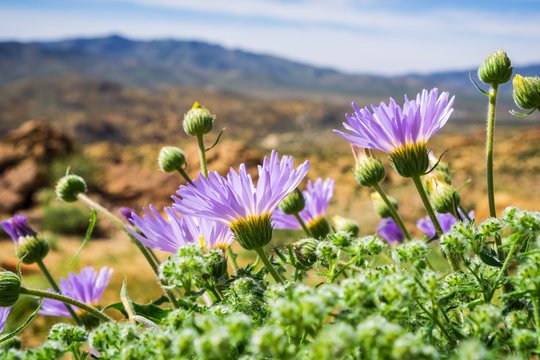
Being Rural Without A Farm
Most people associate the word “rural” with farms and bales of hay. I can suggest an association you may not have expected. Ridgecrest, where I’ve lived for the last 14 years, is a town of 28,000 in the Mojave Desert of California, a city that doesn’t produce crops but is home to a U.S. Navy base where the enlisted and Department of Defense (DoD) employees work on classified research and development projects, test planes (the weather is especially good for that), and develop technologies for soldiers. Ridgecrest is definitely rural both in how its people view the rest of the world and in its remoteness from services. The closest towns, with abundant medical services and shopping (Lancaster, CA, and Palmdale, CA), are 140 miles away roundtrip.
From Silence to Voice to Help
Imagine, for a moment, stepping back in time... to the 1970s. A time when a woman’s voice did not carry very far, and her choices were limited long before she ever had the chance to make them.
There were no numbers to call late at night. No one asking, Are you okay? No space to say, I am not okay. What there was... was expectation. Be stronger. Be grateful. This is just the way it is.
My Life-Changing Decision to Focus on Rural Mental Health
It may sound like a cliché that life can change in an instant. However, my life did just that following the sudden death by suicide in September 2012 of my 28-year-old nephew Brooks Winton, a family man who adored his three-year-old twins.
THE IMPETUS FOR RURAL MINDS
Brooks was employed as a farmer and steelworker – jobs that have notably high rates of suicide. Brooks hid his personal issues behind an easygoing smile and an infectious laugh. His premature death occurred within days of his brother’s wedding. As I was leaving the reception, Brooks gave me a big hug and said, “Uncle Jeff, thank you for everything you have done for my family.” Brooks was always grateful for any show of support…so I didn’t realize this was his way of saying goodbye.
Cultivating Hope: Supporting Mental Health in Agriculture - American Soybean Association
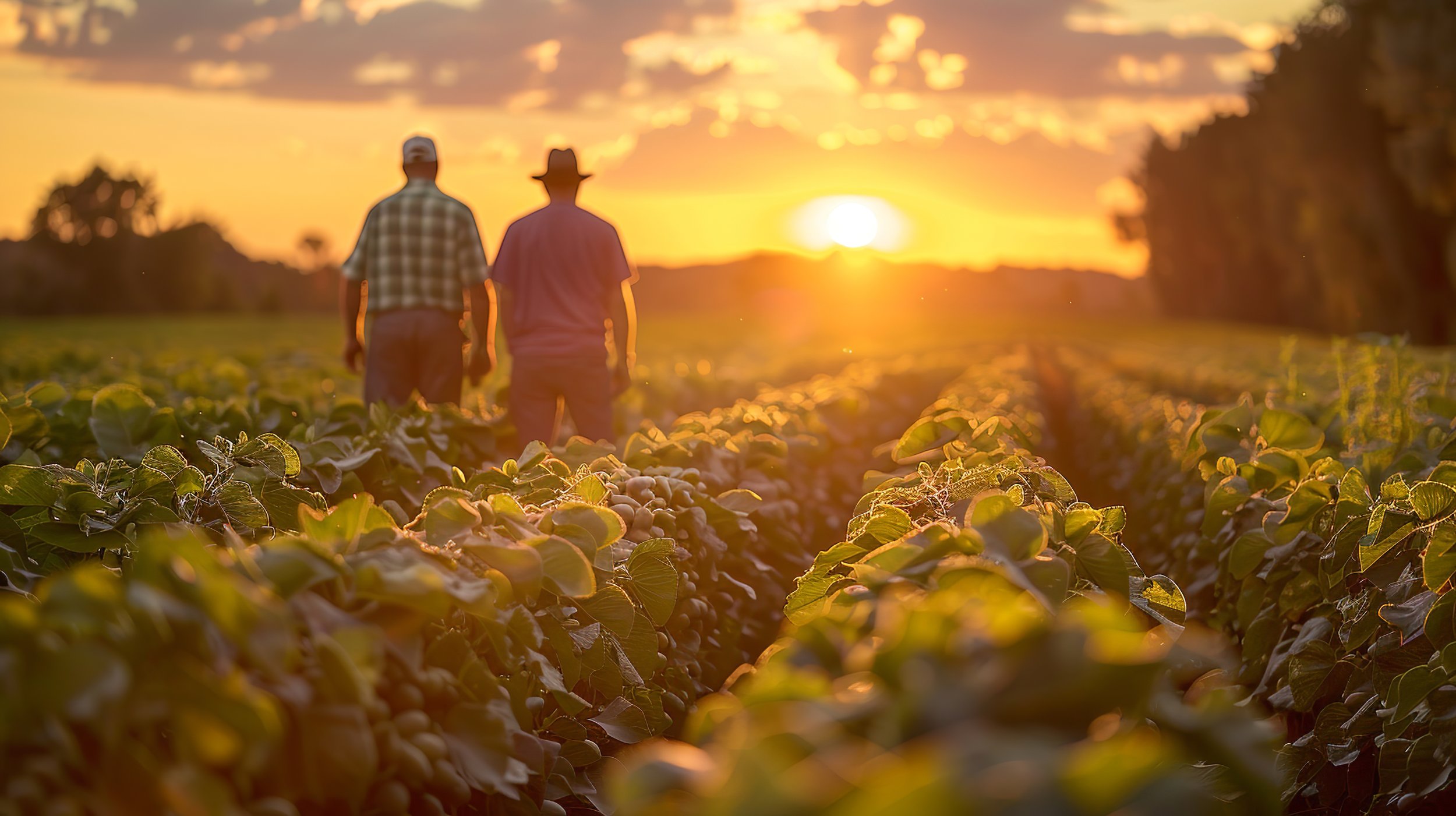
Farming has always required resilience. Each season brings new uncertainties, and every soybean grower knows the pressures that come with working the land. In recent years, those pressures have grown. Volatile markets, rising input costs, unpredictable weather and supply chain disruptions have pushed stress levels to new heights—and the impact extends far beyond the fields.
A recent American Farm Bureau Federation survey found that more than half of rural adults—and nearly two-thirds of farmers and farm workers—have experienced increased stress and mental health challenges compared to a few years ago. Also, according to the Center for Disease Control, farmers are estimated to be 3.5 times more likely to die by suicide than those in other occupations. Yet access to mental healthcare remains limited in many rural communities.
Break the Silence: Confronting Stigma and Protecting Rural Americans
In October, I had the opportunity to present at the Mental Health America convention. I shared results from a survey about barriers to mental healthcare in rural America and the potential benefits of prescription digital therapeutics (PDT) for people in rural communities.
Mental Health America’s annual State of Mental Health in America report reveals that young people across the country are struggling more than ever. And according to the most recent research from the Centers for Disease Control and Prevention (CDC), youth ages 15 to 19 living in rural America are 74% more likely to die by suicide than their peers in urban or suburban areas. Nationally, nearly three million youth ages 12 to17 reported frequent thoughts of suicide. Furthermore, CDC data revealed that for young adults ages 18 to 27, the suicide rate increased nearly 20% between 2014 and 2024.
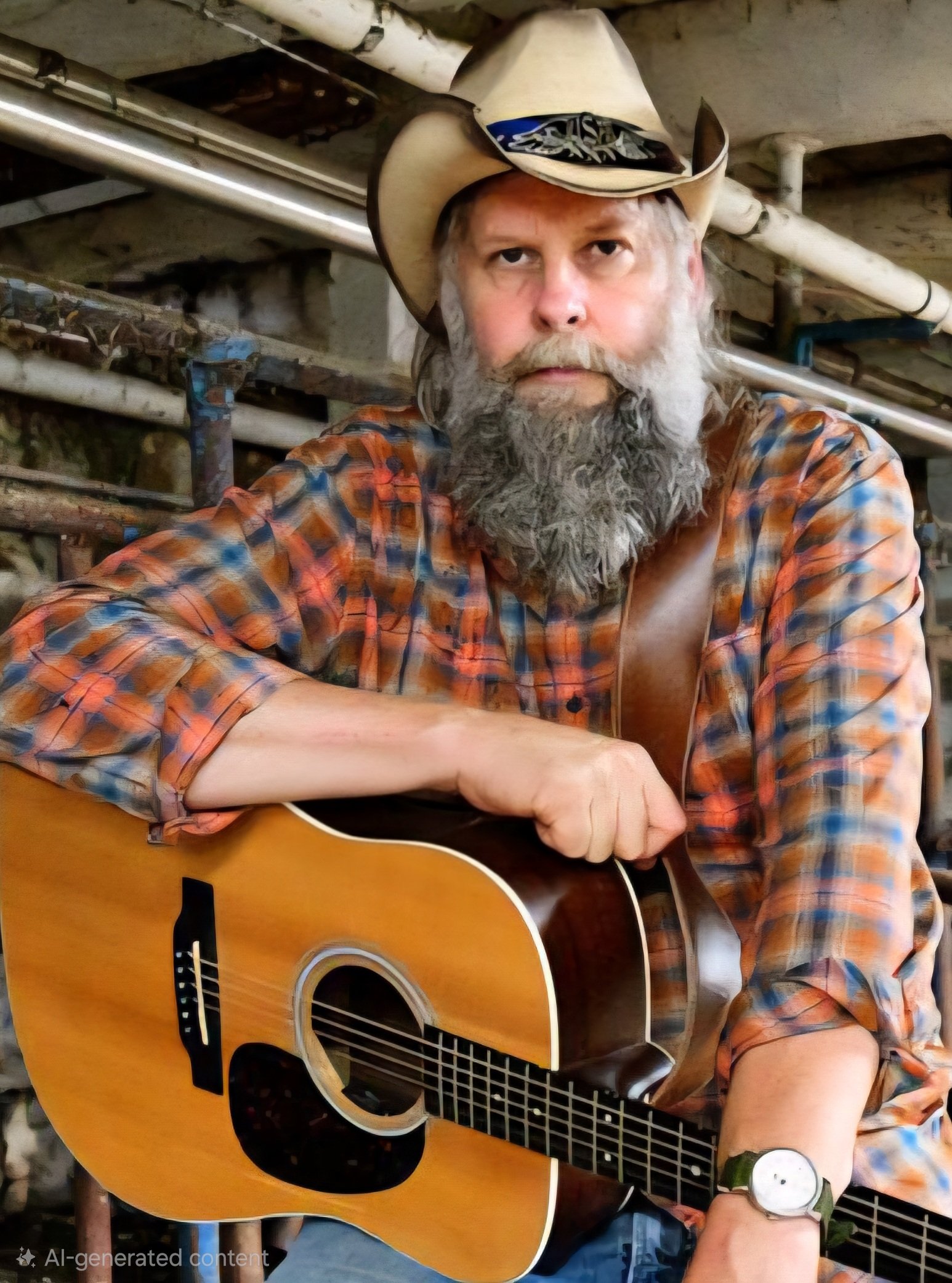
Empty Barn, Full Heart – How I Found Healing Through Music After Losing My Dairy Farm
My name is Jeff Corle. I am a viral independent music artist with over 70 million streams and views. I’m also a professional keynote concert speaker and a farmer mental health advocate. But up until the spring of 2022 I was simply a full-time, fourth-generation dairy farmer loving my life milking cows on my family farm in the Laurel Mountains of western Pennsylvania. So how did this incredible life transformation of going from cows to country music come about? Well, let me tell you . . .
We always milked between 40 and 50 cows on our farm. And as many of you know, that herd size makes it really hard to compete these days and stay in business, when we have a milk price that often times doesn’t even cover the cost of producing the milk.
The Work That Keeps Me Free
After twenty-five years of sobriety, I’ve learned that recovery isn’t a finish line — it’s a way of living. My story took place in suburban New Jersey and the gay party scene of New York City, but the disease of alcoholism doesn’t care about zip codes. It strikes people in every small town, city, and countryside. Addiction knows no borders.
Growing up, my dad was the alcoholic in our house, and my mom was what we in recovery call an “untreated Al-Anonic.” My first drink was with neighborhood kids and on church youth group trips to Puerto Rico to help nuns. From there, it escalated — parties, bars, and eventually, the late ’80s and ’90s gay nightlife in New York City. At first, it was all fun. Then it was fun with problems. Then it was just problems.
Jeremy’s Journey: A Quiet Place, A Loud Mind
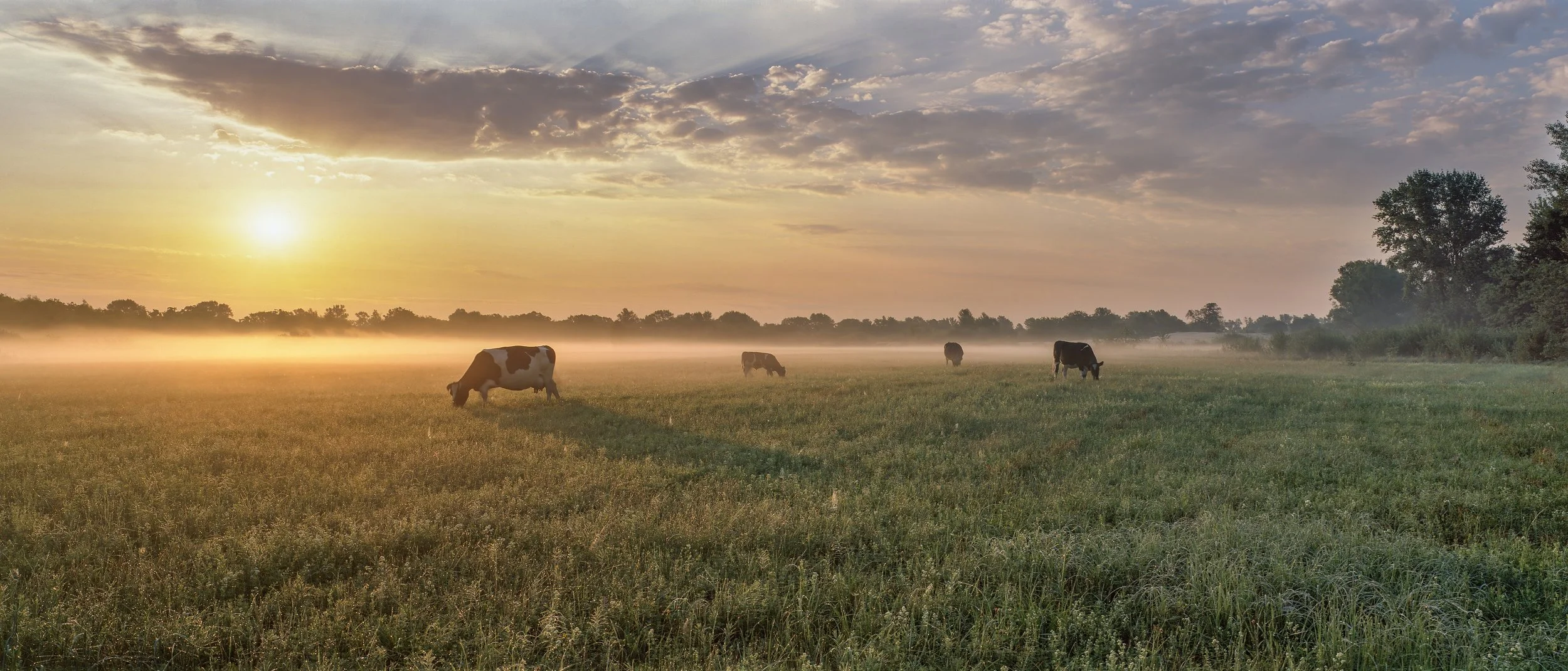
Life on a family farm may look peaceful with the wide-open fields, deep connection to nature, a consistent routine, a slower pace compared to busy cities, and more. But for Jeremy McChesney, those same fields carry the emotional weight of experiencing loss, financial pressure, family struggles, and years of silent mental battles. His story is proof that even in rural communities, the fight for mental stability can be the hardest, yet the most crucial battle.

Unlocking Rural Mental Health Solutions: The Power of Pharmaceutical Patient Assistance Programs
Approximately 46 million Americans reside in rural areas. Navigating the challenges of rural life often means longer commutes to access essential healthcare services, especially for those seeking mental health support. The absence of nearby clinics or pharmacies, coupled with the occasional scarcity of necessary medications, can make this journey even more daunting. Financial constraints further complicate matters.

Confronting the Impact of Policy and Legislation on Rural Mental Health - Mental Health America
The people of rural America face many challenges that are inherent in the volatility of farming, ranching, agriculture, mining, fishing, and forestry – industries that are the foundation of the rural economy impacting 46 million rural residents. Add to that geographic isolation, and it’s easy to see how stress and anxiety become a normal part of life in rural communities. For all of these reasons, Rural Minds – the only national 501(c)(3) nonprofit focused on confronting rural mental health challenges and the stigma that surrounds mental illness – is dedicated to rural mental health awareness every month and every day of the year.

Watch the Award-Winning Film Mother’s Day
Filmed in a continuous-shot, Mother's Day, winner of Best Actress and Best of the Festival, is an honest portrayal of mental illness. Watch this riveting portrait of lived experience managing mental health challenges in rural New York, including a special introduction from the director, Travis Carlson, and Rural Minds Founder and Chairman, Jeff Winton.
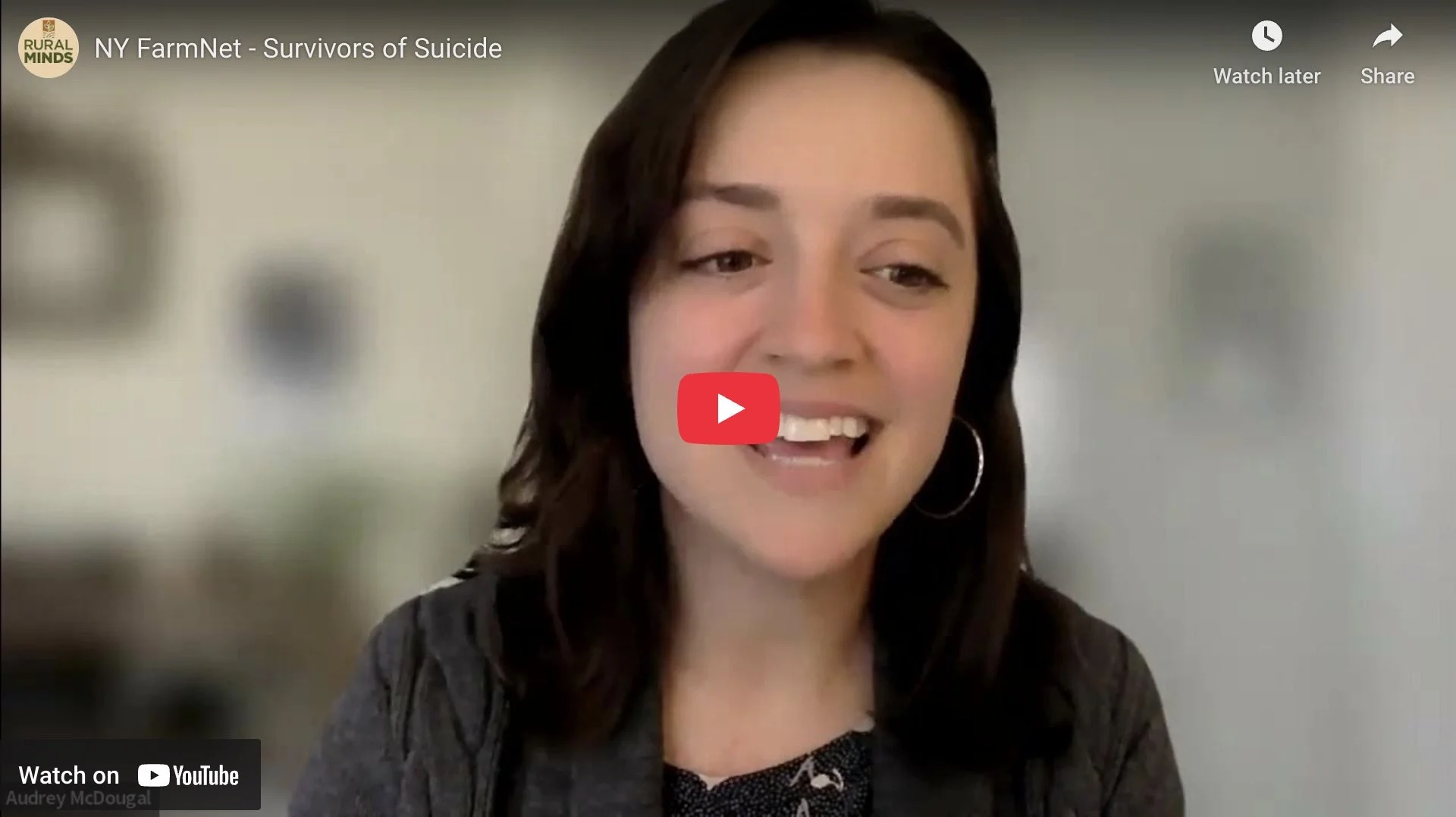
Survivors of Suicide Webinar - NY FarmNet
Moderator: Audrey McDougal | Panelists: Karen Heisig, Jeff Winton, Karl Czymmek
Losing a loved one to suicide can be a profoundly painful and isolating experience. The complexity of the emotions can feel overwhelming, and often surviving friends, family, and co-workers struggle to know who to talk to. Learn about common emotions and challenges, the grief journey, and what can help. Hear the stories from several survivors of loss and how they coped.
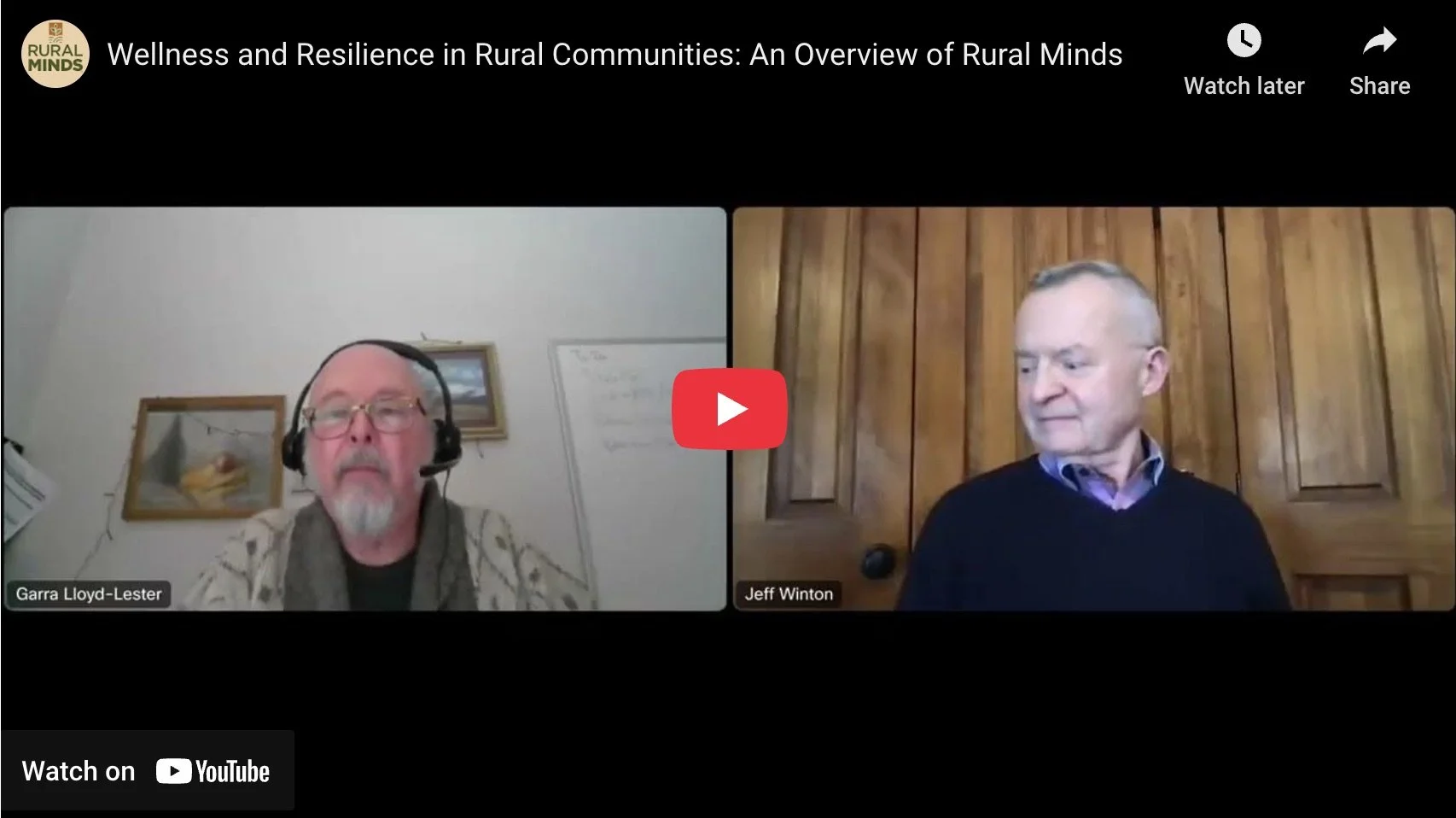
Webinar - Wellness and Resilience in Rural Communities: An Overview of Rural Minds
A Webinar in Partnership with the New York State Office of Mental Health and the Suicide Prevention Center of New York State
• Understand and appreciate some of the unique challenges that the 46 million Americans in rural areas of our country face in accessing adequate mental health care.
• Learn about Rural Minds, including our mission, vision, and work across the United States.
• Specifically, we will highlight our several programs and partnerships in New York where we are headquartered.

The Impact of Social Isolation on Farmers - Edible Western NY
Rural communities are often perceived as idyllic and peaceful places to live. For many people, however, the social isolation and loneliness associated with living in rural America can negatively impact their mental health. Farmers are among those most affected, as their unique lifestyle and work conditions can contribute to heightened anxiety, stress and depression. And as their mental health suffers, so too does the resilience of our local and nationwide food systems, which depend on farmers to grow crops and raise animals for meat, dairy and egg production.
Overcoming the Challenges of Managing Tardive Dyskinesia in Rural America
Tardive dyskinesia (TD) is a condition that causes your face, your body, or both to make sudden, repetitive movements that you can’t control. It commonly results from the long-term use of antipsychotic medications that are prescribed for mental illnesses, including schizophrenia, bipolar disorder, and major depression. For people who live in rural America, coping with TD can present unique challenges due to limited healthcare resources, social stigma, and transportation barriers.

Rural Policy Response
I’m a multigenerational family dairy farmer, and a mental health advocate for the 46 million people who call rural America their home.
I am deeply concerned by the actions taken by the current administration regarding the newly imposed tariffs that will damage an already fragile agricultural marketplace in this country.