News about general rural mental health issues and organizations
News about Mental Health And Rural America
Click here for Rural Minds™ Blog
Click Here for Rural Minds in the News

Rural Americans Don’t Live as Long as Those in Cities − Morning AgClips
LOS ANGELES (THE CONVERSATION) — Rural Americans – particularly men – are expected to live significantly shorter, less healthy lives than their urban counterparts, according to our research, recently published in the Journal of Rural Health.
We found that a 60-year-old man living in a rural area is expected on average to live two fewer years than an urban man. For women, the rural-urban gap is six months.


USDA: Largest Investment in Rural Electrification Since the New Deal - Morning AgClips
WESTBY, Wis. — During a visit to Wisconsin today [Sept. 5, 2024], President Joe Biden and U.S. Department of Agriculture (USDA) Secretary Tom Vilsack will announce more than $7.3 billion in financing for rural electric cooperatives to build clean energy for rural communities across the country through the Empowering Rural America (New ERA) program. Together, New ERA and other investments in rural clean energy in the President’s Inflation Reduction Act make up the largest investment in rural electrification since President Franklin Delano Roosevelt signed the Rural Electrification Act into law in 1936 as part of the New Deal.

Mental Health Top Reason for US Troop Hospitalization in 2023: Study - The Defense Post
Mental health problems have been found to be the top reason why active-duty US military personnel were hospitalized in 2023. A new Defense Health Agency (DHA) report reveals that nearly one-third of the roughly 62,800 cases of troop hospitalization last year were for mental health treatment.
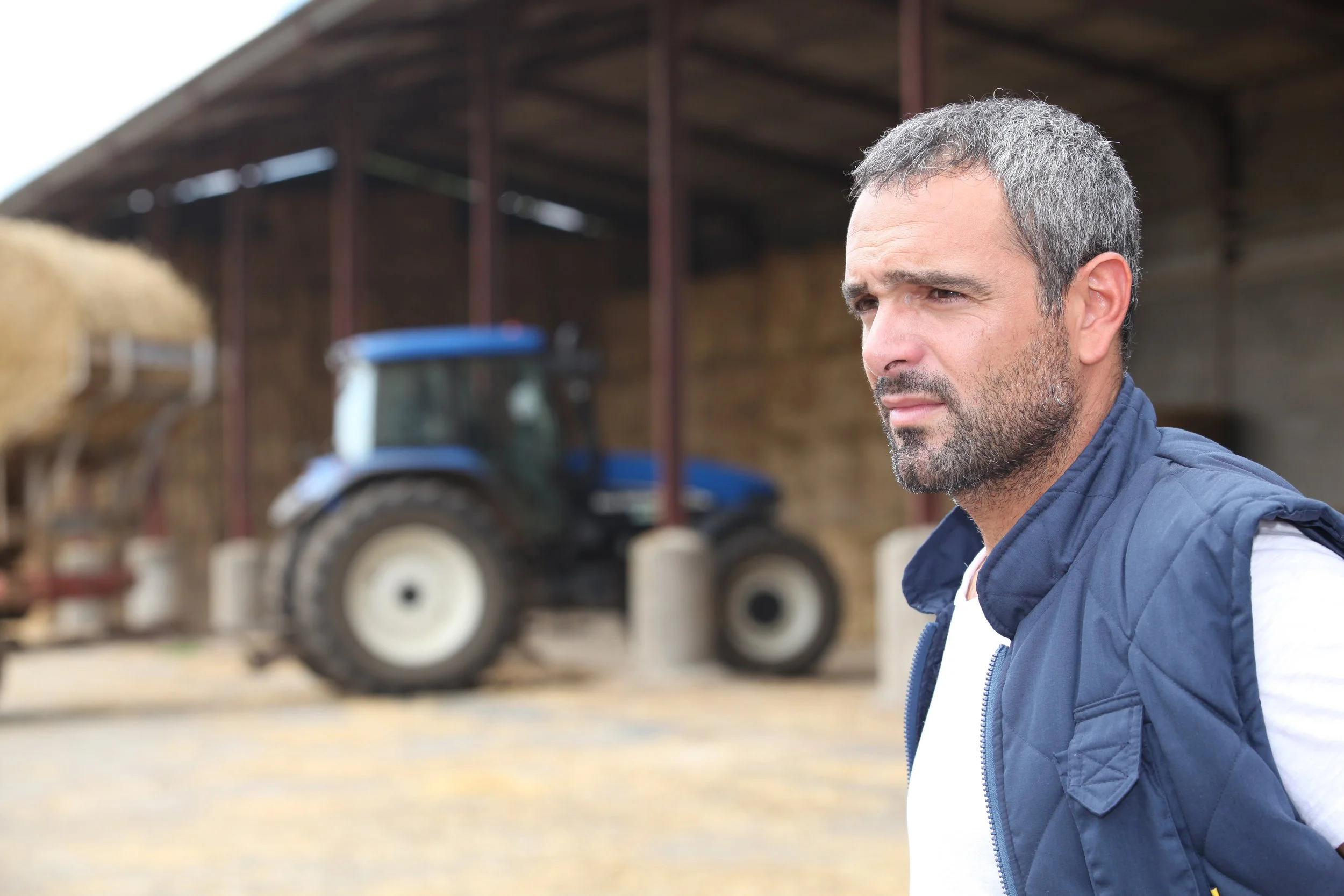
Six Ways to Reduce Stress on the Farm - FarmProgress
The causes of mental and physical stress in agriculture can seem endless. Long hours, physically strenuous tasks, lack of adequate rest, financial pressures, unpredictable weather and social isolation are just a few of the stressors that farmers and ranchers may face daily.

What Not to Say to Someone Dealing with a Loss - Psychology Today
We all face loss. As caring bystanders, we may not know how to respond, help, or approach those who are grieving. We're worried we'll say the wrong thing and upset the grieving person—but, therefore, we may end up doing nothing at all.
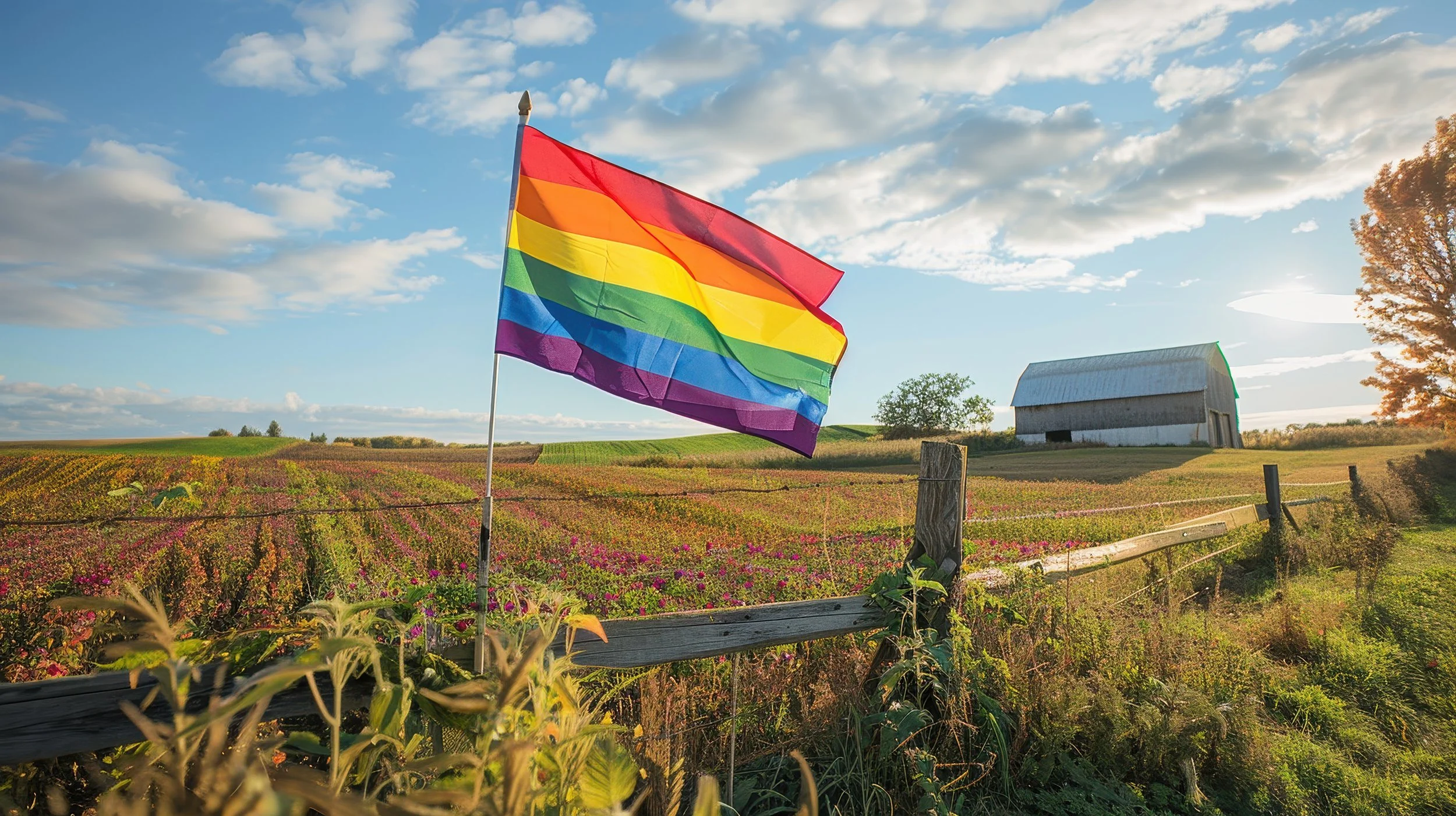
First of Its Kind Study Shines Light on LGBTQ+ Farmer Mental Health - Morning AgClips
URBANA, Ill. — LGBTQ+ people involved in farm work are over three times more likely to experience depression and suicidal intent and about two and a half times more likely to experience anxiety than the general population. That’s according to a new study led by farmer mental health experts at the University of Illinois Urbana-Champaign.
“For several years, I’ve done work around farm stress and mental health among farmers in general. We’ve found people who work in agriculture have adverse mental health compared to those who work in other areas. Similarly, there are findings that queer folks have worse mental health than their straight and cisgender peers. I was motivated to do this study because there’s very little research that looks at the crossover of LGBTQ+ people who work in agriculture,” said Courtney Cuthbertson, assistant professor and Illinois Extension specialist in the Department of Human Development and Family Studies, part of the College of Agricultural, Consumer and Environmental Sciences (ACES) at Illinois.
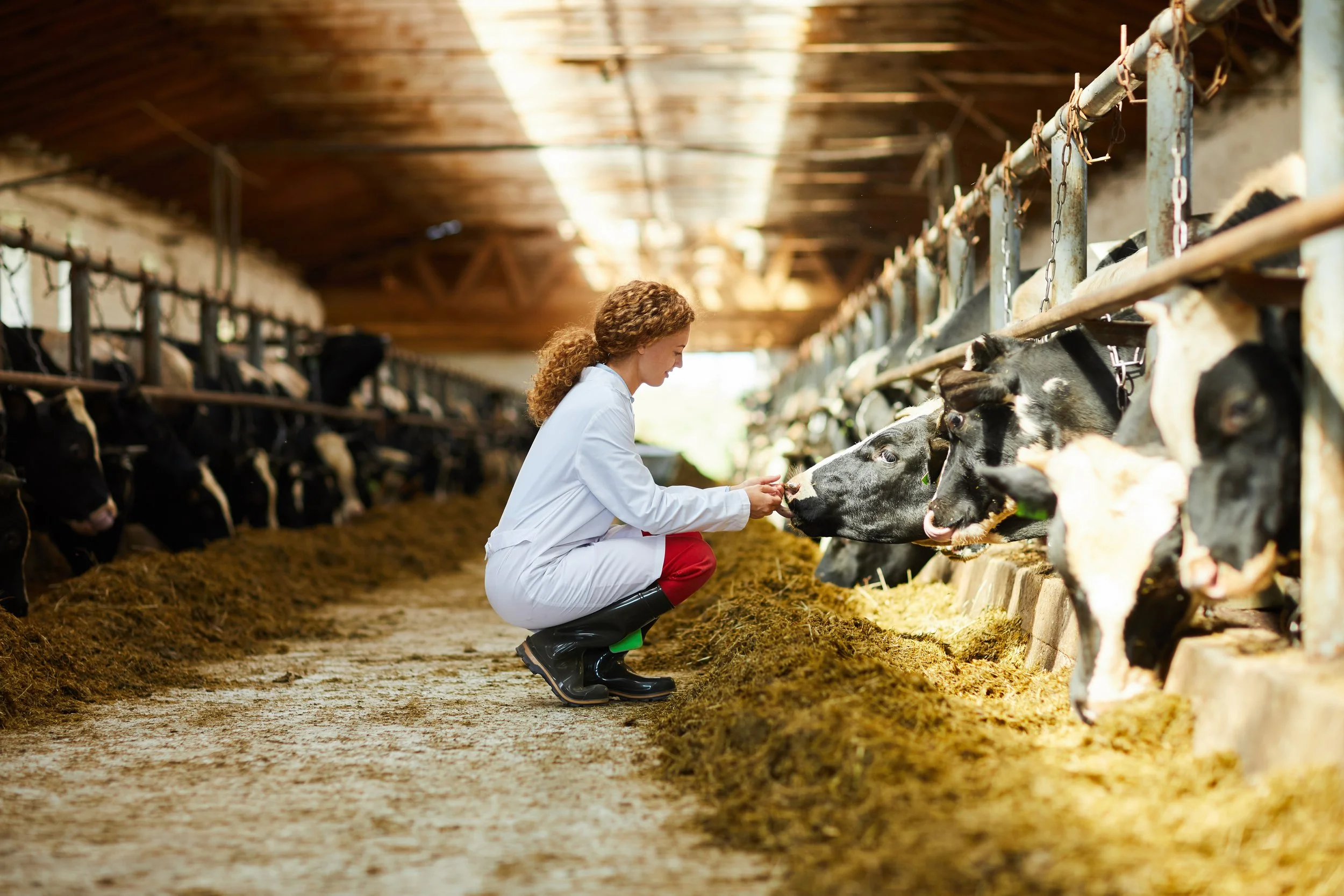
5 Steps to Becoming a Better Client for Your Veterinarian - FarmProgress
“Veterinarians only have so much bandwidth. If you don’t want your vet to burn out, you probably need to implement some of these things we're going to discuss,” says Dr. Lacey Fahrmeier, Valley Vet Supply technical service veterinarian.
She says Valley Vet’s attention is focused on the shortage of rural veterinarians, combating soaring levels of burnout and navigating the ongoing mental health crisis affecting the veterinary profession.

Challenges of Mental Health for American Farmers - AgDaily
Anyone who’s spent a day in the field or time with livestock knows that farming is a profession marked by high stress, long hours, and significant emotional tolls. While people often talk about the physical toll this profession takes, mental health is a frequently overlooked aspect of farming.
The reality is that farming involves much more than planting and harvesting — it’s a complex business that requires extensive knowledge and a variety of skills. The romanticized image of rural life contradicts the difficulties farmers face with weather, market prices, machinery, and more. That stress is compounded by the fact that many farmers operate in isolation, working from sunup to sundown with little to no support.
This can erode the mental well-being of farmers and ranchers.

Expanding High-Speed Internet Access in Rural Areas
U.S. Department of Agriculture (USDA) Rural Development Under Secretary Dr. Basil Gooden announced today that USDA is making available $25 million through the Broadband Technical Assistance (BTA) Program to help local organizations, cooperatives and Tribes expand affordable, high-speed internet projects in rural communities. The Department will begin accepting applications on June 21, 2024.
Funding is made possible through President Biden’s historic Bipartisan Infrastructure Law. It reflects the goals of the President’s Investing in America agenda to rebuild the economy from the bottom up and middle out, and to strengthen the nation’s infrastructure.
Ways and Means Protects and Expands Telehealth Access, Health Care in Rural and Underserved Communities
Today, the Ways and Means Committee took action to protect and expand health care for millions of seniors and for Americans directly in the communities where they live and work. The Committee approved six bills that address a wide range of pressing health care issues, particularly those facing rural communities. The package of bills preserves vital telehealth and health-at-home access, helps prevent rural hospital closures and bring back others already shuttered, incentivizes greater access to ambulance services, and expands the number of doctors and nurses in rural communities.
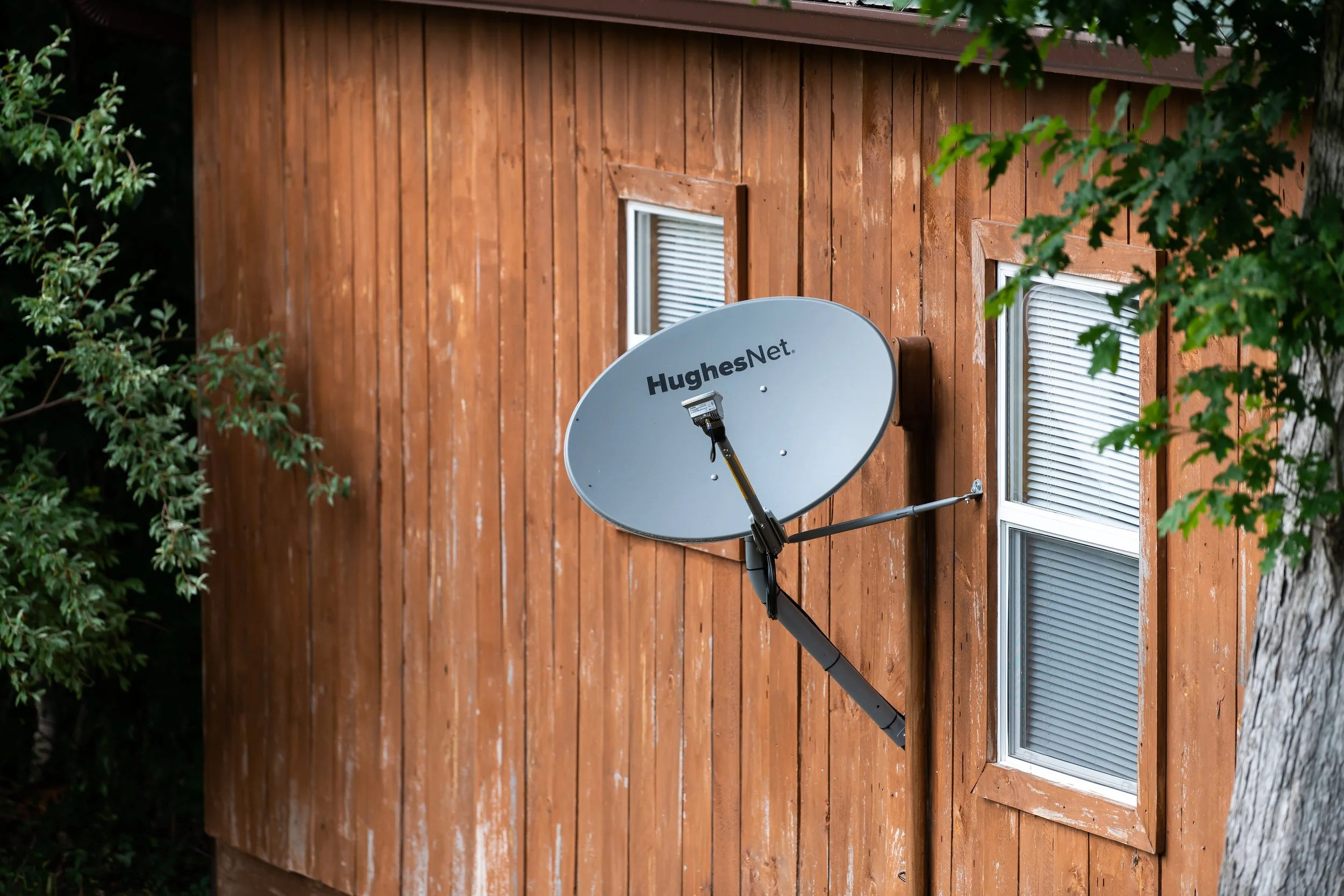
For Millions of Americans, High-Speed Internet Is Unavailable or Unaffordable — Morning Agclips
Broadband internet, often just called broadband, is the technical term for high-speed internet connectivity. The Federal Communications Commission, which is in charge of setting an official definition for broadband in the country, defines broadband as an always-on internet connection of 100 megabits-per-second download and 20 megabits-per-second upload. But what high-speed internet fundamentally means to Americans is do we have the connectivity necessary to go about our digital lives.

Biden-Harris Administration Announces More Than $770M for Rural Infrastructure Projects — Morning AgClips
During a visit to Edgecombe, N.C., a Rural Partners Network community, U.S. Department of Agriculture (USDA) Secretary Tom Vilsack and White House Domestic Policy Advisor Neera Tanden today announced that USDA is funding 216 projects in 45 states, Puerto Rico, and the Northern Mariana Islands to bring high-speed internet, clean water, state-of-the-art infrastructure and economic growth to rural communities as part of President Biden’s Investing in America agenda.
The new projects, totaling $772.6 million in investments, will benefit more than 1 million people living in remote areas of the country by providing reliable high-speed internet access, clean, safe water and a range of support for rural families, agricultural producers and small businesses.
Farmers in Crisis, Long Overlooked, Are Finally Getting Mental Health Support — Scientific American
The agriculture business has become increasingly unstable. Financial uncertainty, physical isolation and increasingly unpredictable crop yields linked to climate change are just some of the stressors that are fueling a mental health crisis among farmers. The anxiety can be overwhelming—especially in many farming communities that have historically struggled with access to mental health services and the stigma of seeking help. A recent CDC study of occupational suicide risk found that male farmers, ranchers and other agricultural managers had a suicide rate more than 50 percent higher than the overall suicide rate of men in all surveyed occupations. Research also suggests that farmers have increased risk of heart disease caused in part by chronic stress and hardships from the job.
Women Farmers Are Using Alcohol to Cope – Ambrook Research
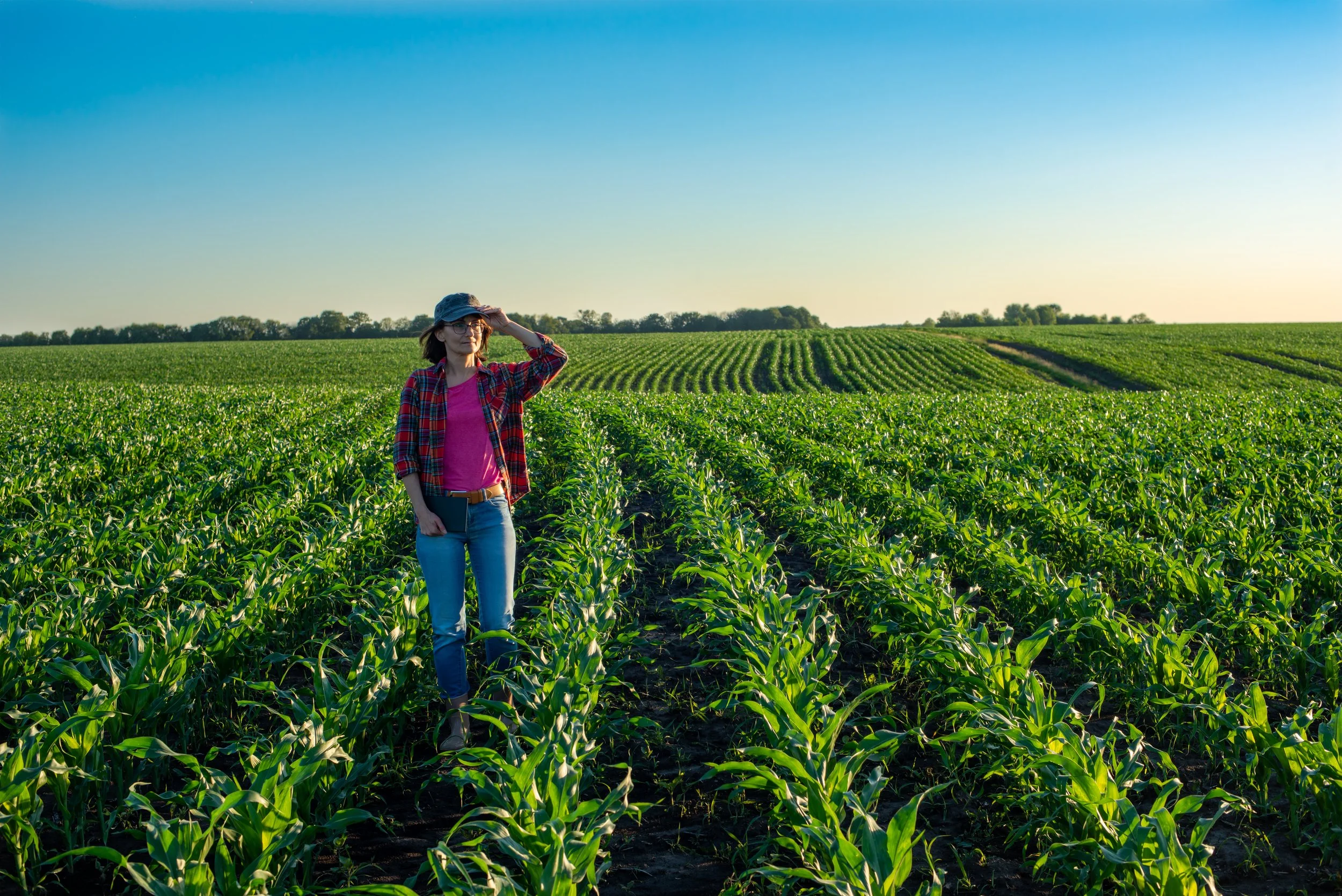
The gender dynamics of parenting continue to evolve, the challenge of juggling caretaking with farm work — among many other stressors — is quite familiar to female farm owners and managers today. Recent research from the University of Georgia examining how gender intersects with stress, resilience, and alcohol use on the farm suggests the weight of these many responsibilities are taking a toll on women in particular. The research, led by Christina Proctor found women farm owners and managers not only reported “significantly higher” levels of perceived stress than their male counterparts, but also lower resilience — and a higher prevalence of binge drinking.
Women farm owners more apt to binge drink — UGA Today
Compared to their male counterparts, they found that female farmers reported significantly higher levels of stress. And, while female participants were less likely to drink overall, when they did drink, they were more likely to binge drink. This pattern was most pronounced among female farmers who owned or managed farms.
“I think there are moments where the stress associated with farm work and these extra duties are just too hard to handle, where you have to cope with it in some way, and there’s just this explosiveness when they do drink,” said Christina Proctor.

Fighting Farm Stress – FarmProgress
Three out of four farmers and farm workers in the United States say they have been impacted by opioid addiction. Why are farmers disproportionately at risk for poor mental health, opioid addiction, and even suicide? That's a question David Buys, Mississippi State University associate professor and Mississippi’s state health specialist, seeks to answer through an initiative he's leading. By digging deep to find the root cause, Buys believes steps can be taken to manage the mental health risks farmers face.

New Bill to Expand Home-Based Virtual Mental, Substance Use Care – mHealth Intelligence
Two United States representatives have introduced a new bill that aims to expand access to at-home virtual mental health and substance use services in rural communities. Introduced by Andrea Salinas (D-OR) and Diana Harshbarger (R-TN), the Home-Based Tele-mental Health Care Act of 2023 would provide grants to support the delivery of mental health and substance use services in the homes of rural US residents, particularly those working in farming, fishing, and forestry occupations.

Consumers Want Brands to Address Mental Health, Study Finds – PRWeek
The Citizen Connections Report 2023 is a study on the ‘state of social connection in today’s world’, and surveyed over 3,000 adults across the UK and North America. As part of its report, Citizen Relations asserted that “brands can tackle social connection in ways we haven’t yet seen.” It states that consumers largely want brands to effect change, with 90 per cent believing there is at least one societal issue that brands have a role in addressing. Mental health was found to be the top issue that audiences want brands to increase their advocacy for (50 per cent). Income inequality and unhoused communities are the two topics respondents want to see brands address that they aren’t currently seeing as much activity around.
Startling Reality: Rate of Suicide Among Farmers is 3.5 Times Higher Than the General Population — Drovers
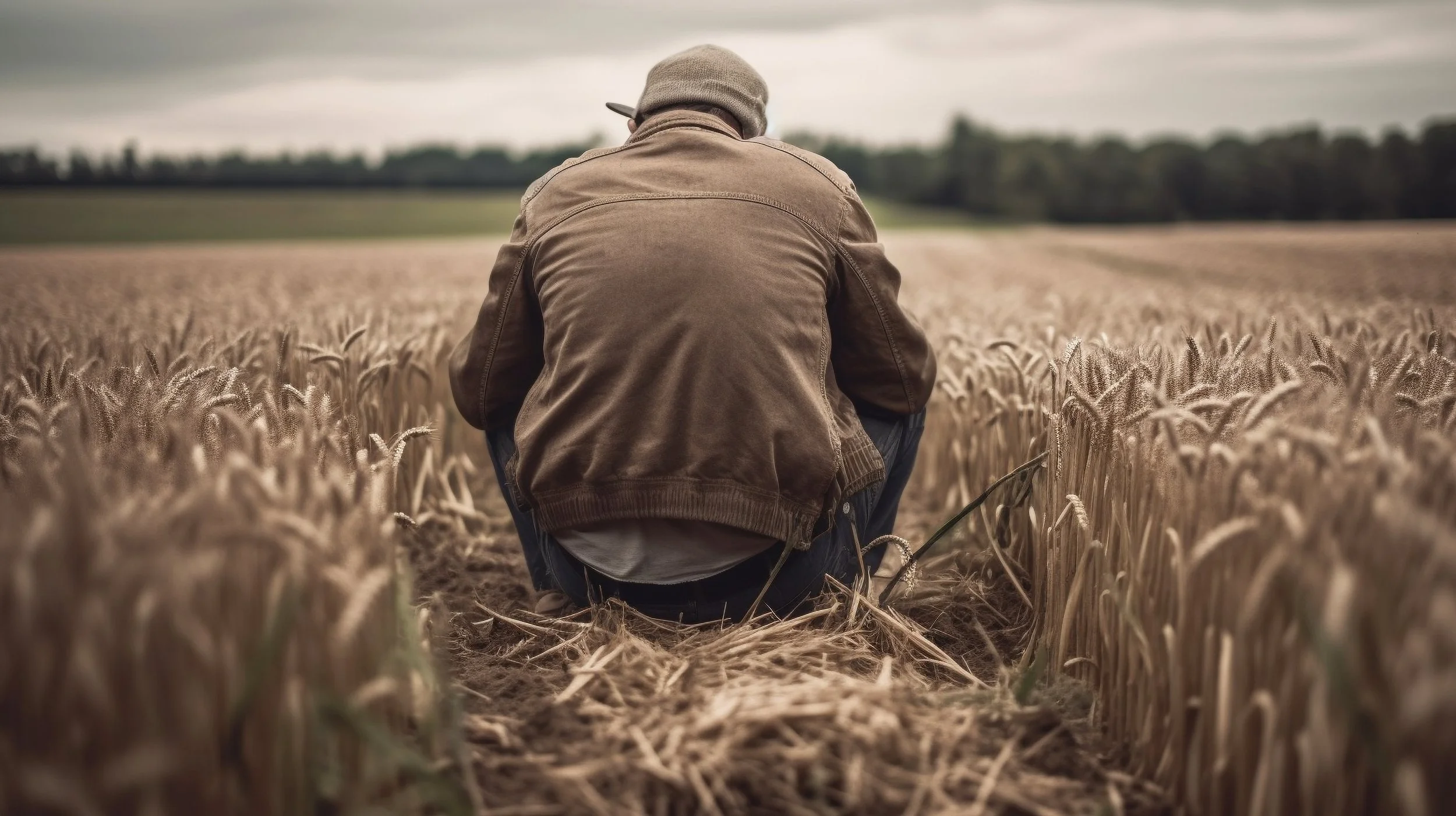
Did you know that the rate of suicide among farmers is 3.5 times higher than the general population? It’s a startling statistic and a sign of the daily stress that comes with farming. September is National Suicide Prevention Month. According to the Centers for Disease Control (CDC), between 2000 and 2002 suicide rates climbed 46% in rural areas. By comparison, the rate in metro areas climbed 27.3%. Stephanie Weatherly, chief clinical officer for Psychiatric Medical Care, says not only is the rate of suicide higher in rural communities, but it’s especially high for elderly citizens.