
For Millions of Americans, High-Speed Internet Is Unavailable or Unaffordable — Morning Agclips
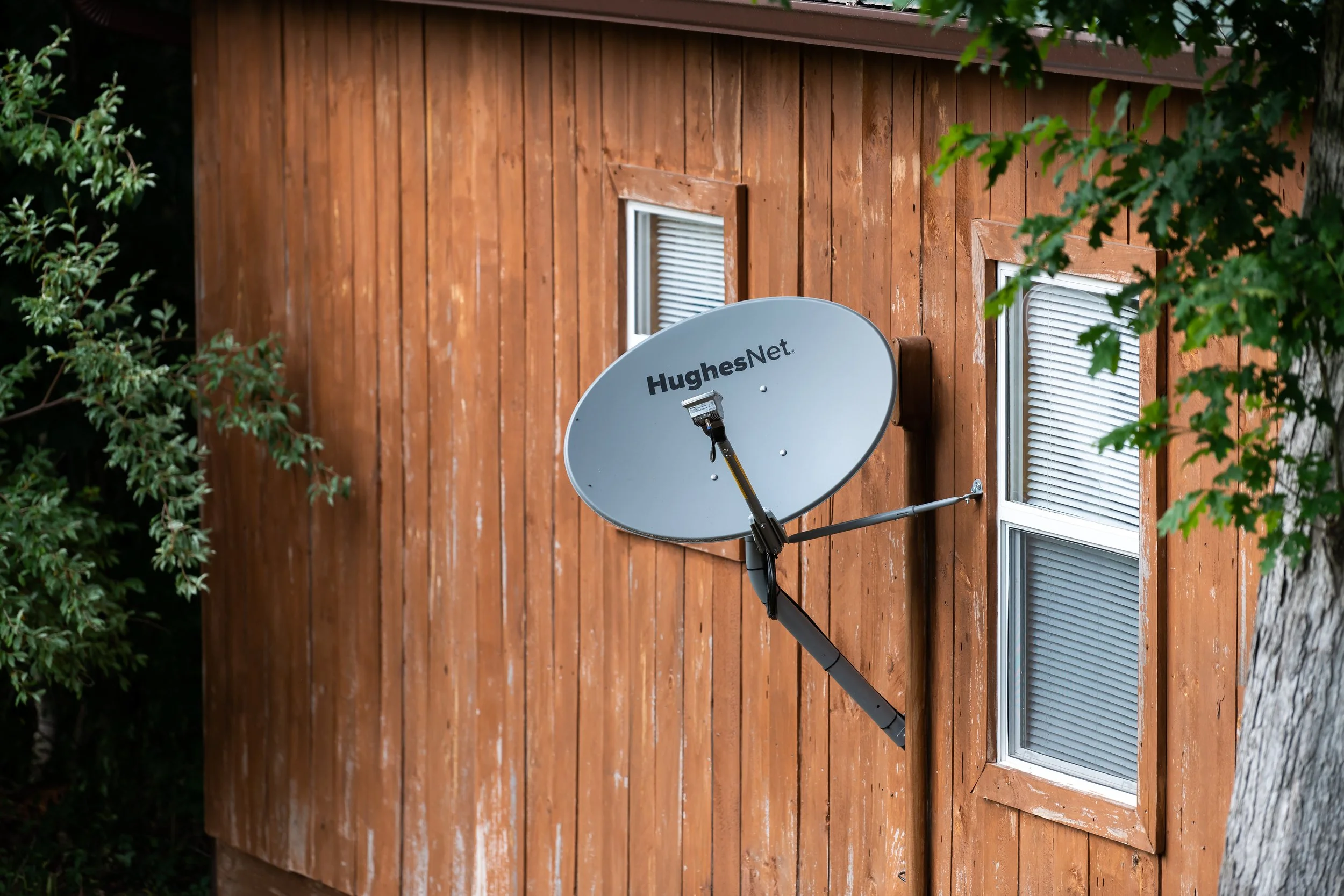
One of the really frustrating things is, despite millions – tens of millions – of dollars spent on broadband mapping, we are still unsure of who is underconnected throughout the country. Photo: Kristina Blokhin. AdobeStock.
A telecommunications expert explains how to bring broadband to the places that need it the most
Millions of Americans still don’t have access to high-speed internet. Christopher Ali, a professor of telecommunications at Penn State University, discusses who lacks access to broadband and how the federal government – with a US$65 billion commitment – is trying to bring more people online.
The Conversation has collaborated with SciLine to bring you highlights from the discussion that have been edited for brevity and clarity.
What is broadband internet?
Christopher Ali: Broadband internet, often just called broadband, is the technical term for high-speed internet connectivity.
The Federal Communications Commission, which is in charge of setting an official definition for broadband in the country, defines broadband as an always-on internet connection of 100 megabits-per-second download and 20 megabits-per-second upload.
But what high-speed internet fundamentally means to Americans is do we have the connectivity necessary to go about our digital lives. Can we stream Netflix? Can we go on Zoom? Can we file our taxes? Can we do our homework? Can we do our jobs? Can we game?
What can you tell us about disparities in broadband access?
Christopher Ali: One of the really frustrating things is, despite millions – tens of millions – of dollars spent on broadband mapping, we are still unsure of who is underconnected throughout the country.