
How One Woman's Recovery Inspired A Second Chance for OtherS
Guest Blog Post by Jillian Samolewicz, Rural Minds Intern
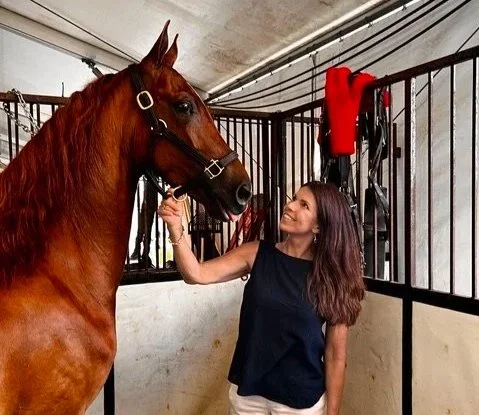
The loss of a close family member is a life-altering event. While everyone mourns differently, grief places people in a vulnerable state and can lead them down many different paths. Some cope by seeing a therapist or talking to loved ones. Others may turn to unhealthy coping mechanisms, such as alcohol or substance use, in an attempt to numb their pain. After the loss of her brother, addiction was Dr. Sally Broder’s reality. Through her healing journey that led her to sobriety, she merged her love for horses with helping others struggling with substance use disorders by founding HorseSensing in 2009. With a Psy.D. in clinical psychology from the California Institute of Integral Studies and a B.A. in behavioral science from National University located in San Diego, Dr. Broder was uniquely qualified to develop this one-of-a-kind program. She emphasizes, “In my experience, horses offer non-judgmental companionship, which is so important for those struggling to overcome addictions.”
The non-profit organization originally began with individual equine therapy sessions. Between 2020 and 2022, Dr. Broder and her husband David Broder bought and renovated neighboring farm properties in Shelbyville, Kentucky, and expanded HorseSensing into a residential program. Today, the couple aims to help people in recovery achieve long-term sobriety and build fulfilling lives through horses, job training, and community support. While welcoming both veterans and non-veterans, HorseSensing provides a residential program exclusively for men, while offering women individual equine therapy and other support services.
This nine-month minimum program helps participants earn and save money, build a support system, gain job experience, and establish long-term stability. According to Dr. Broder, many participants, who must be at least 45 days sober, are referred by treatment centers or partnerships. The program is structured in phases that include learning horse care and farm responsibilities as well as hands-on training at a local stable. Additionally, once participants complete all phases, the HorseSensing team works to place them in equine jobs in Shelby County, Kentucky, close enough to ensure continued support. The combination of activities HorseSensing provides helps establish a career path and long-term success.
Dr. Broder has found that people often open up more around horses than in traditional therapy settings. She notes, "You have this living, breathing biofeedback machine that is reflecting back to the person what their emotions are." Grooming and spending time with horses creates a calming and therapeutic experience for program participants while also preparing them for a career in the equine industry.
To date, HorseSensing has helped approximately 95 participants begin rebuilding their lives. Dr. Broder aspires to help many more people in recovery and wants the work she has done to continue to grow even after her lifetime. Above all, she hopes that the program is remembered for going the extra mile to ensure participants have a strong foundation for life and continued healing through meaningful work and community support.
“Confidence and self-worth can be rebuilt,” Dr. Broder says, “and we are grateful to be part of that process.”
About the Author
Jillian Samolewicz is a public relations and advertising major at Rowan University in Glassboro, New Jersey. She currently interns at Rural Minds and has previous experience in social media and public relations. After graduation, Jillian aims to pursue a career in healthcare public relations, using communication to advocate for others.