News about general rural mental health issues and organizations
News about Mental Health And Rural America
Click here for Rural Minds™ Blog
Click Here for Rural Minds in the News

Expanding High-Speed Internet Access in Rural Areas
U.S. Department of Agriculture (USDA) Rural Development Under Secretary Dr. Basil Gooden announced today that USDA is making available $25 million through the Broadband Technical Assistance (BTA) Program to help local organizations, cooperatives and Tribes expand affordable, high-speed internet projects in rural communities. The Department will begin accepting applications on June 21, 2024.
Funding is made possible through President Biden’s historic Bipartisan Infrastructure Law. It reflects the goals of the President’s Investing in America agenda to rebuild the economy from the bottom up and middle out, and to strengthen the nation’s infrastructure.
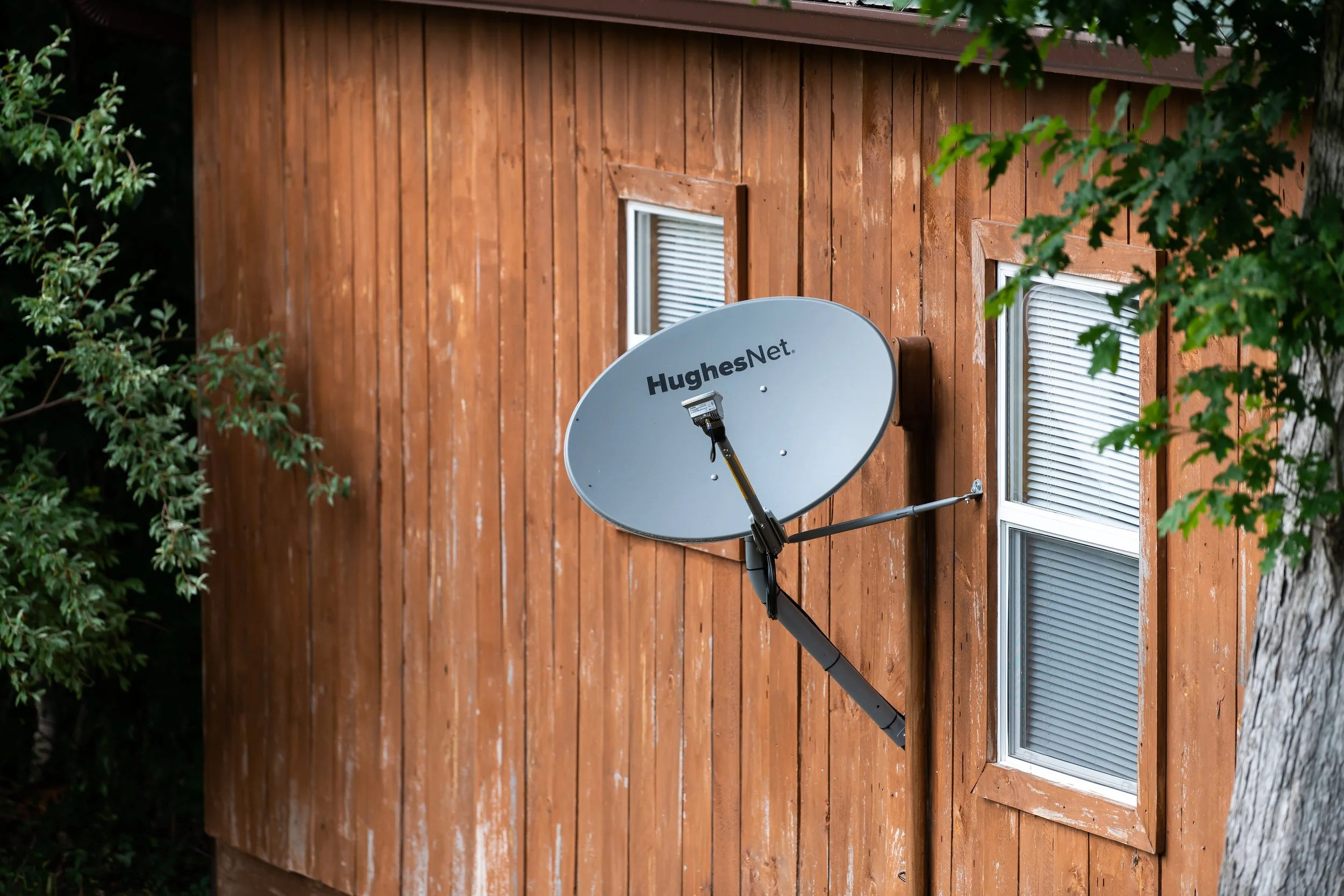
For Millions of Americans, High-Speed Internet Is Unavailable or Unaffordable — Morning Agclips
Broadband internet, often just called broadband, is the technical term for high-speed internet connectivity. The Federal Communications Commission, which is in charge of setting an official definition for broadband in the country, defines broadband as an always-on internet connection of 100 megabits-per-second download and 20 megabits-per-second upload. But what high-speed internet fundamentally means to Americans is do we have the connectivity necessary to go about our digital lives.

Few Doctors, Spotty Internet: Finding Mental Health Care Tough for Many Americans — U.S. News and World Report
Nearly one in five counties across the United States lack psychiatrists or internet service, making it difficult for around 10.5 million Americans to find mental health care, a new study shows. The counties examined in the study were more likely to be in rural areas, have higher unemployment rates, and have populations that were more likely to be uninsured and lack a bachelor’s degree. What’s worse, individuals who fall into any one of these categories are also more likely to suffer from depression and anxiety. So, the need for mental health services is especially critical in areas with the greatest barriers to access, the researchers noted. And while the pandemic created a rapid demand for telehealth, the medium has yet to reach the areas that need it most.

$700M to Help Connect People in Remote and Rural Areas to High-Speed Internet — Morning AgClips
US Department of Agriculture (USDA) Secretary Tom Vilsack has announced nearly $700 million in grants and loans to connect thousands of rural residents, farmers and business owners in 22 states and the Marshall Islands to reliable, affordable high-speed internet through the ReConnect Program, funded by President Biden’s Bipartisan Infrastructure Law. This program is uniquely designed to fund the most difficult high-speed internet projects in the nation, which are the most rural, remote and unserved communities.
Connecting all communities across the United States to high-speed internet is a central part of President Biden’s Investing in America agenda to rebuild the economy from the bottom up and middle out by rebuilding our nation’s infrastructure.This agenda is driving more than $500 billion in private-sector manufacturing investments, rebuilding America’s infrastructure, lowering costs, and creating good-paying jobs. And it’s transforming our country for the better – reaching communities in every corner of the United States, including those that have too often been left behind.
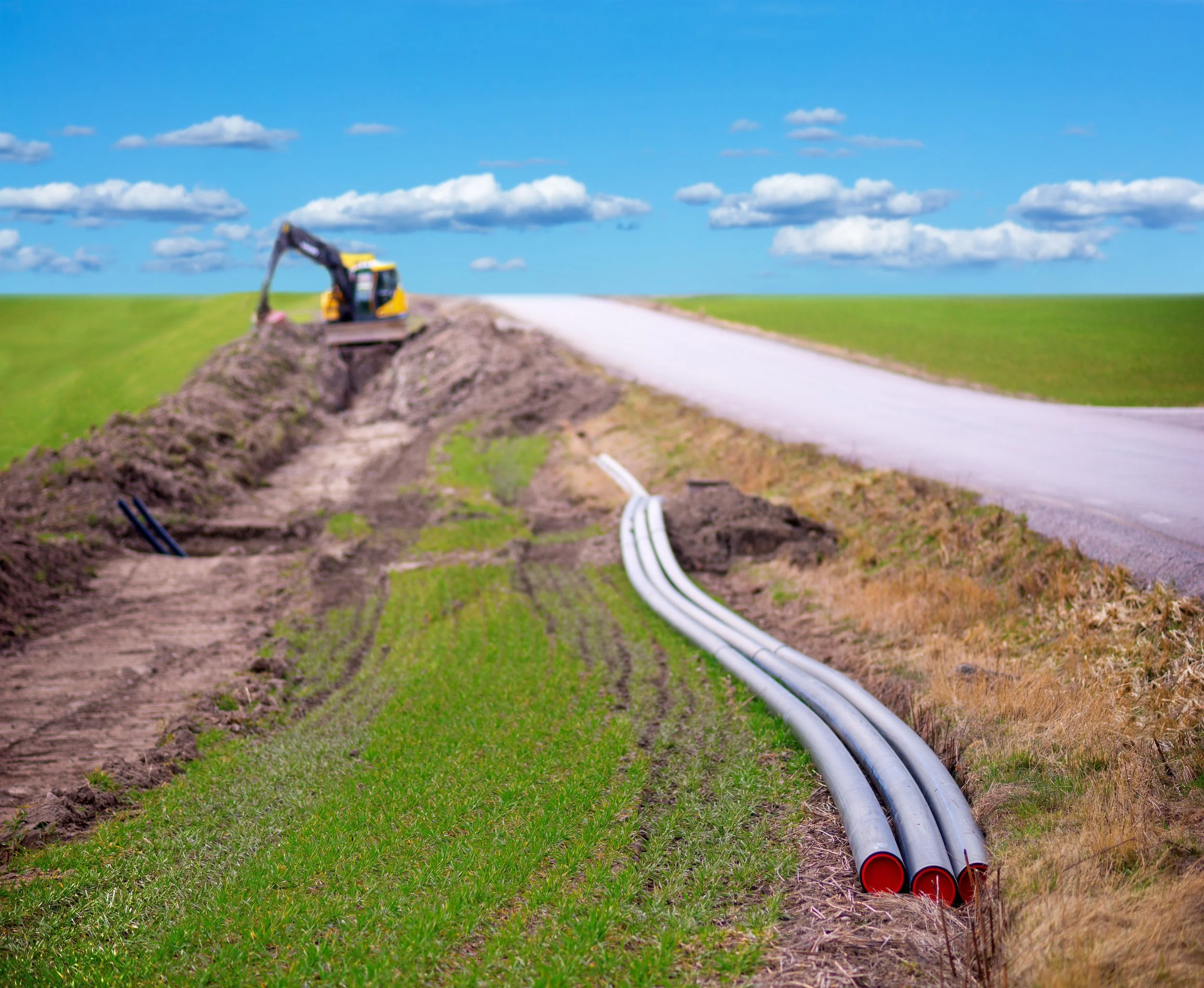
USDA to spend $500 million extending high-speed internet to rural America – Colorado Newsline
The U.S. Department of Agriculture will send more than $500 million in loans and grants to telecommunications providers to bring high-speed internet to rural areas across 20 states, Secretary Tom Vilsack said Wednesday.
The department will spend $360 million in grants and $141 million in loans through its ReConnect Program to benefit sparsely populated communities, including in Alaska, Colorado, Kansas, Nebraska, Michigan, Minnesota, Iowa, Missouri, Montana, North Carolina, Oregon and Tennessee.

Poor Broadband Access in Rural Areas Limits Telemedicine Use: Study – Fierce Healthcare
Telemedicine is frequently touted as a technology tool that can help improve healthcare access for rural populations, especially in areas with physician shortages. But telemedicine might not be the silver bullet to improve rural healthcare when those same areas have significant infrastructure challenges, according to researchers. Rural counties where access to primary care physicians and psychiatrists is inadequate also have substantially lower broadband penetration rates, according to a recent research report published in Annals of Internal Medicine.

MedCity News –“No other option”: Telehealth Could Be Rural Healthcare’s Savior
During a Tuesday panel discussion at HHS’ National Telehealth Conference, Morgan called the fact that rural providers’ telehealth use lags far behind that of urban providers “beyond frustrating.” His organization has found that as rural providers implement telehealth services, many are struggling to address key questions about the patients they serve: Do they have broadband access? Do they know telehealth services are available to them? Do they know how to use the technology needed to virtually connect to their caregiver?

Life without reliable internet remains a daily struggle for millions of Americans–NPR
The pandemic has laid bare the importance of having a high-speed internet connection, as many Americans have been forced to conduct their lives online. Yet, tens of millions of people across the country, especially in rural areas and tribal lands, lack the kind of fast or reliable connection they need for things like work, school and telehealth.