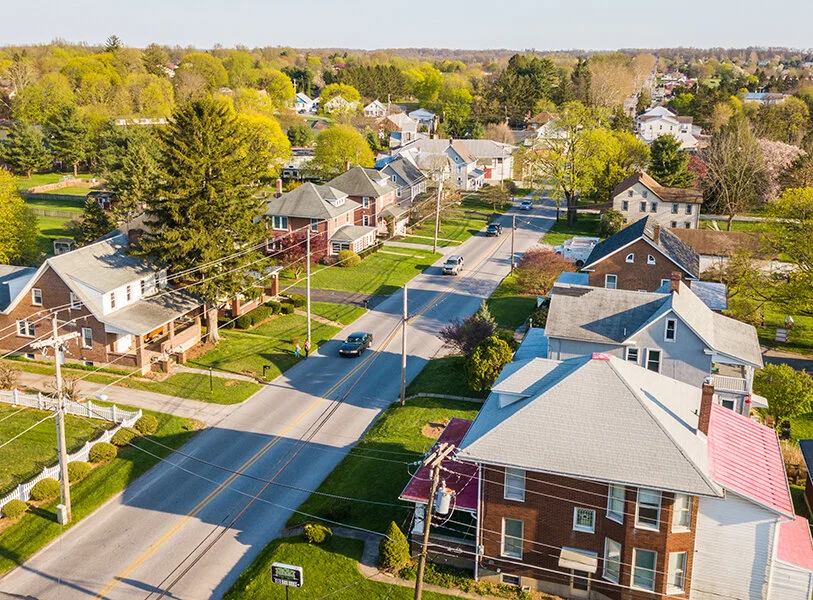
News about general rural mental health issues and organizations
News about Mental Health And Rural America
Click here for Rural Minds™ Blog
Click Here for Rural Minds in the News
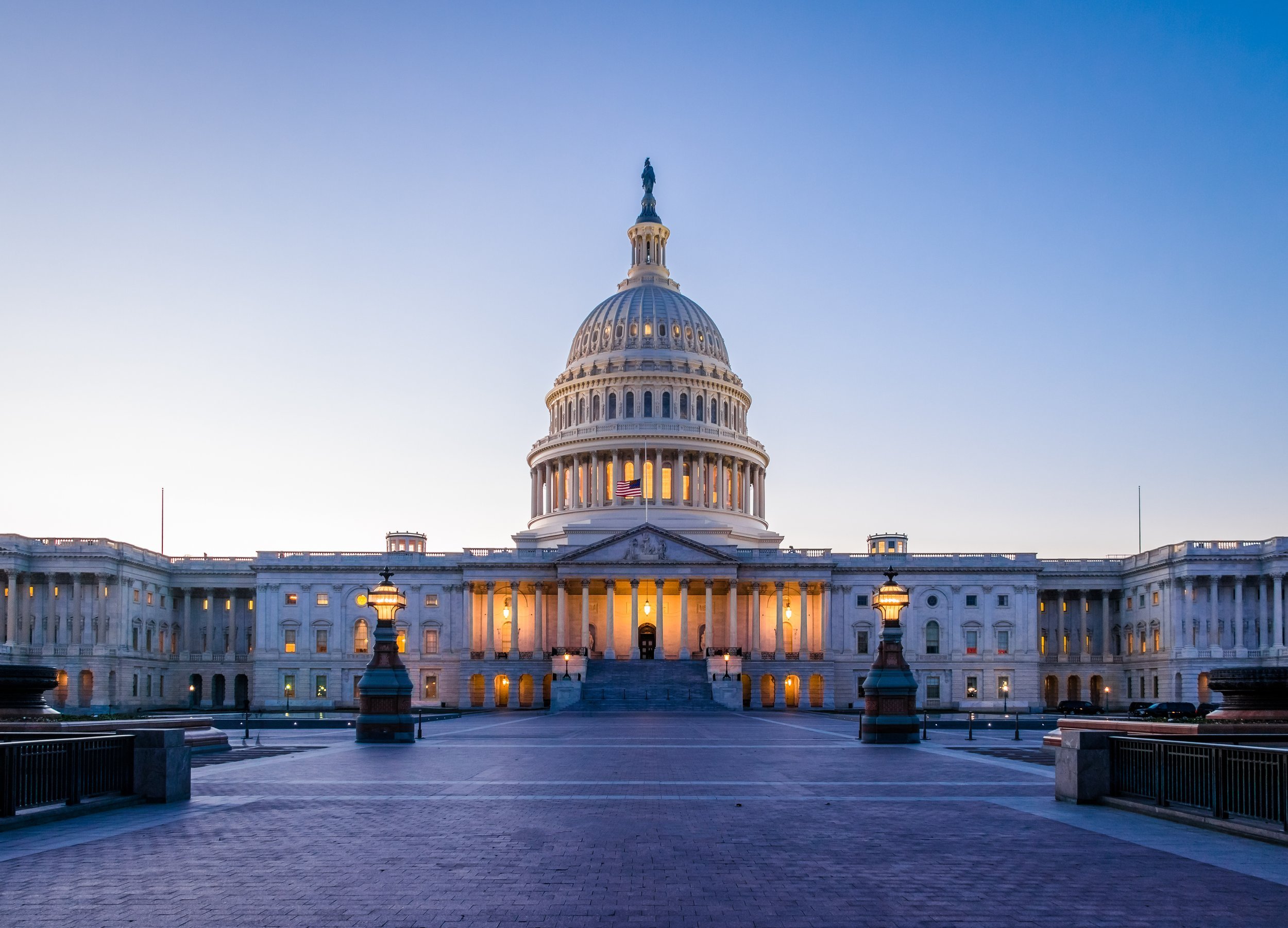
Ways and Means Protects and Expands Telehealth Access, Health Care in Rural and Underserved Communities
Today, the Ways and Means Committee took action to protect and expand health care for millions of seniors and for Americans directly in the communities where they live and work. The Committee approved six bills that address a wide range of pressing health care issues, particularly those facing rural communities. The package of bills preserves vital telehealth and health-at-home access, helps prevent rural hospital closures and bring back others already shuttered, incentivizes greater access to ambulance services, and expands the number of doctors and nurses in rural communities.
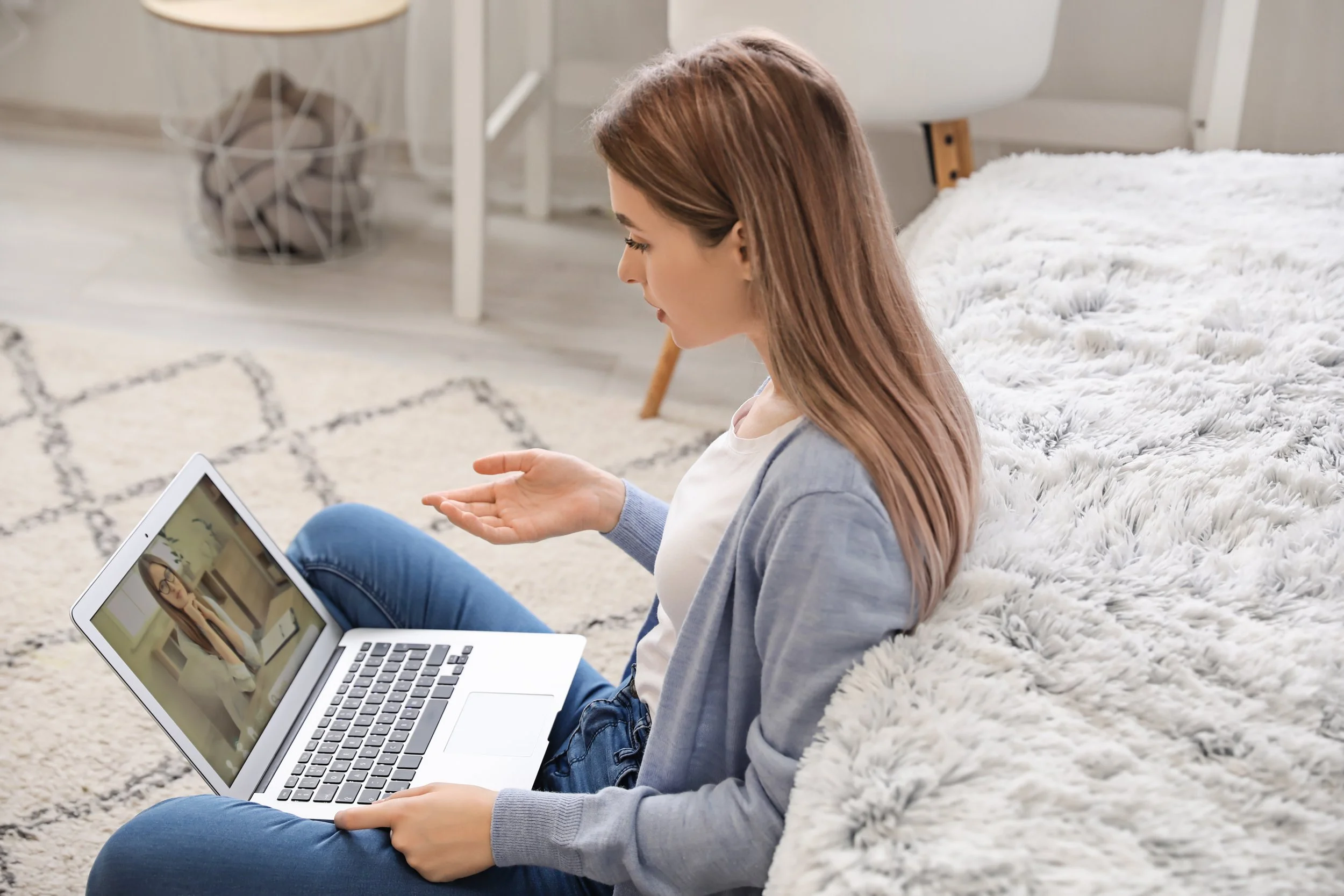
New Bill to Expand Home-Based Virtual Mental, Substance Use Care – mHealth Intelligence
Two United States representatives have introduced a new bill that aims to expand access to at-home virtual mental health and substance use services in rural communities. Introduced by Andrea Salinas (D-OR) and Diana Harshbarger (R-TN), the Home-Based Tele-mental Health Care Act of 2023 would provide grants to support the delivery of mental health and substance use services in the homes of rural US residents, particularly those working in farming, fishing, and forestry occupations.

Few Doctors, Spotty Internet: Finding Mental Health Care Tough for Many Americans — U.S. News and World Report
Nearly one in five counties across the United States lack psychiatrists or internet service, making it difficult for around 10.5 million Americans to find mental health care, a new study shows. The counties examined in the study were more likely to be in rural areas, have higher unemployment rates, and have populations that were more likely to be uninsured and lack a bachelor’s degree. What’s worse, individuals who fall into any one of these categories are also more likely to suffer from depression and anxiety. So, the need for mental health services is especially critical in areas with the greatest barriers to access, the researchers noted. And while the pandemic created a rapid demand for telehealth, the medium has yet to reach the areas that need it most.
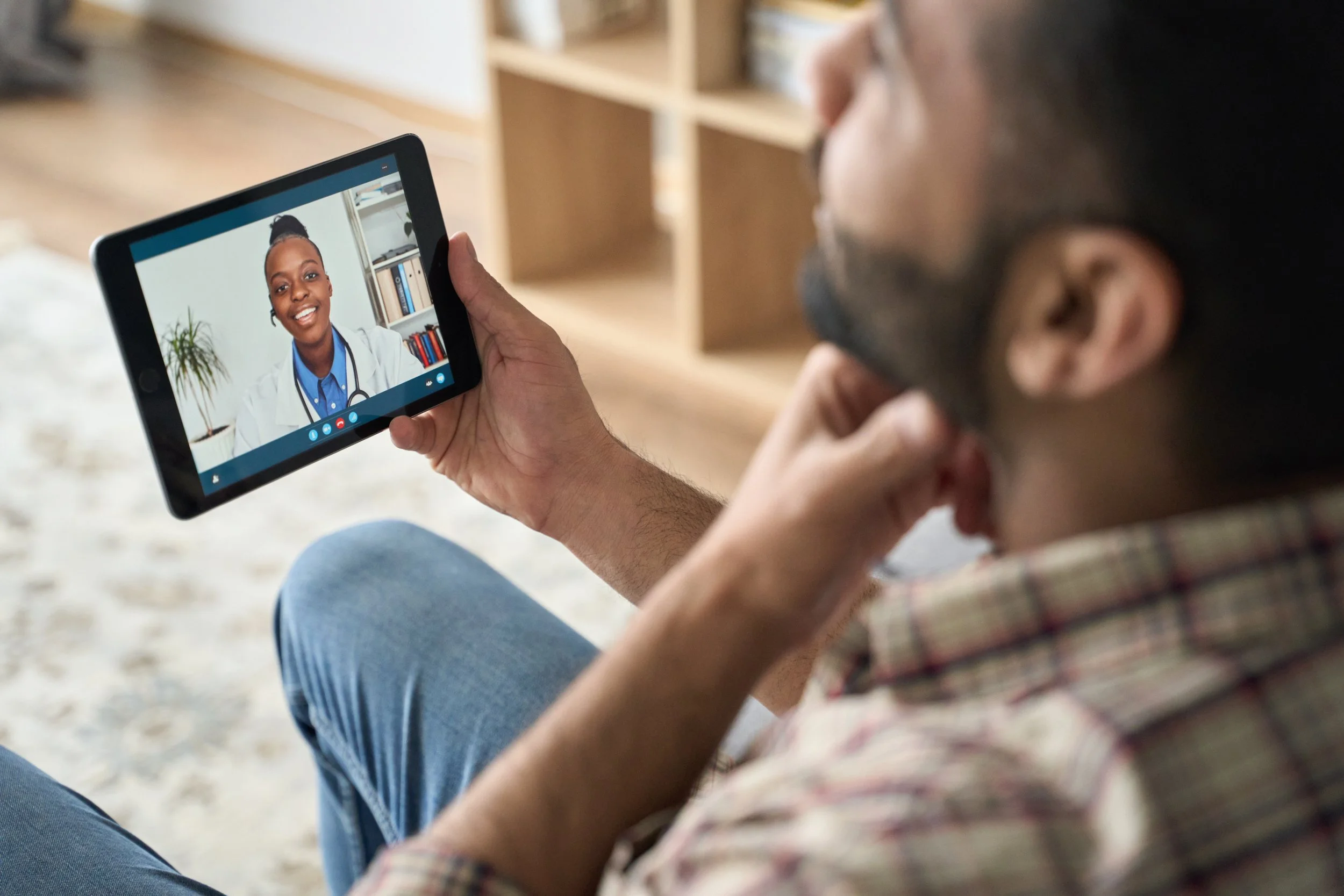
Poor Broadband Access in Rural Areas Limits Telemedicine Use: Study – Fierce Healthcare
Telemedicine is frequently touted as a technology tool that can help improve healthcare access for rural populations, especially in areas with physician shortages. But telemedicine might not be the silver bullet to improve rural healthcare when those same areas have significant infrastructure challenges, according to researchers. Rural counties where access to primary care physicians and psychiatrists is inadequate also have substantially lower broadband penetration rates, according to a recent research report published in Annals of Internal Medicine.

MedCity News –“No other option”: Telehealth Could Be Rural Healthcare’s Savior
During a Tuesday panel discussion at HHS’ National Telehealth Conference, Morgan called the fact that rural providers’ telehealth use lags far behind that of urban providers “beyond frustrating.” His organization has found that as rural providers implement telehealth services, many are struggling to address key questions about the patients they serve: Do they have broadband access? Do they know telehealth services are available to them? Do they know how to use the technology needed to virtually connect to their caregiver?
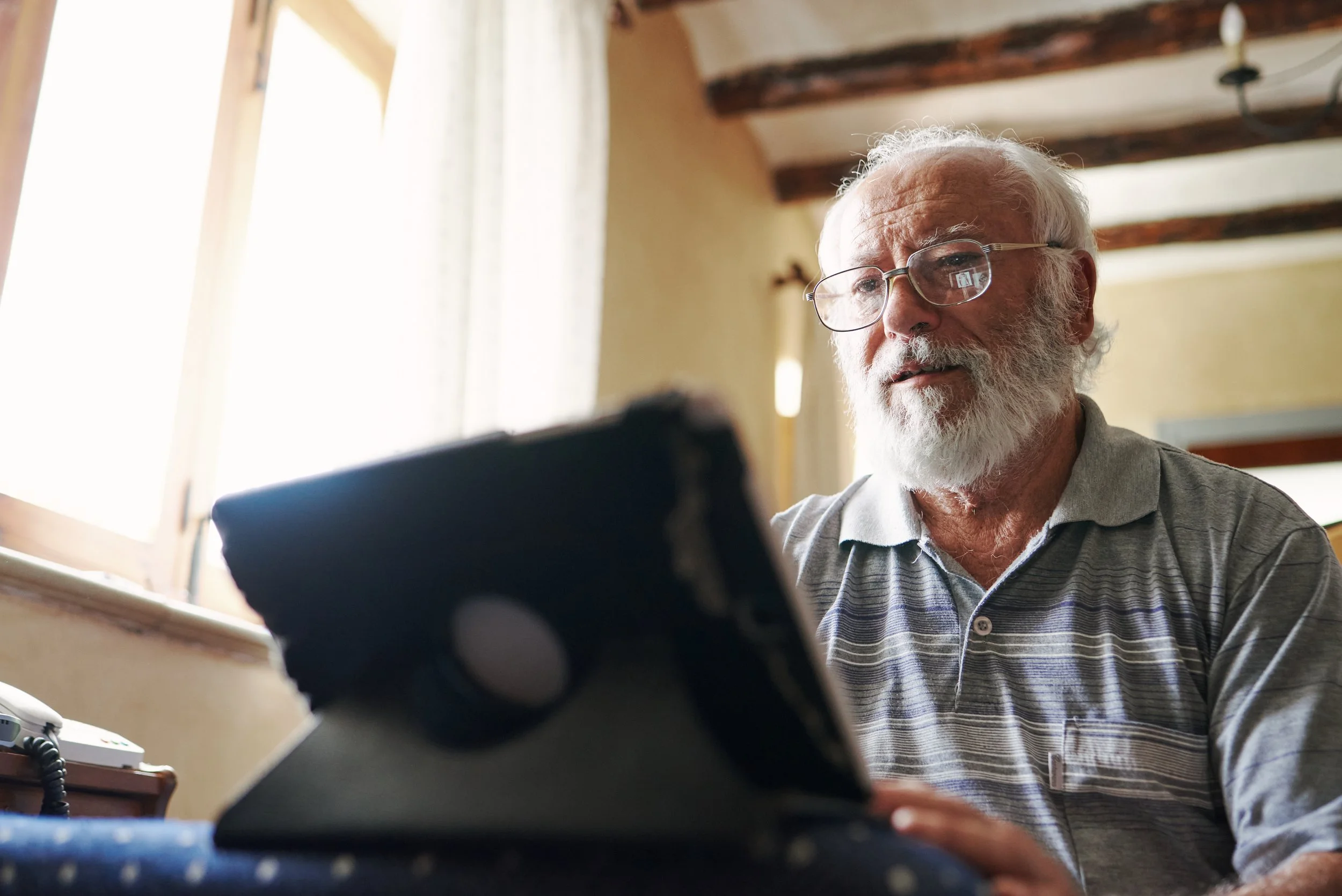
Mental Health Service Use, Suicide Behavior, and Emergency Department Visits Among Rural US Veterans Who Received Video-Enabled Tablets During the COVID-19 Pandemic – JAMA Network
In this retrospective cohort study of 471 791 rural US veterans with a history of mental health care use, receipt of a video-enabled tablet was associated with increased use of mental health care via video, increased psychotherapy visits (across all modalities), and reduced suicide behavior and ED visits. These findings suggest that video-enabled tablets may provide access to critical services for rural patients with mental health needs and reduce instances of suicide behavior and ED visits among them.

Biden Administration Seeks to Expand Telehealth in Rural America
New funding will allow more medical appointments to take place via video in rural communities, where some of the nation’s oldest and sickest patients live.
The roughly 15 percent of the population living in rural America includes some of the oldest and sickest patients in the country — a disparity that has grown more stark during the coronavirus pandemic. The Biden administration is investing more in telemedicine, whose use has grown sharply during the pandemic, as a way to improve their access to care.