
Need Nurses? Grow Your Own, Says Rural Nurse Educator – Health Leaders Media
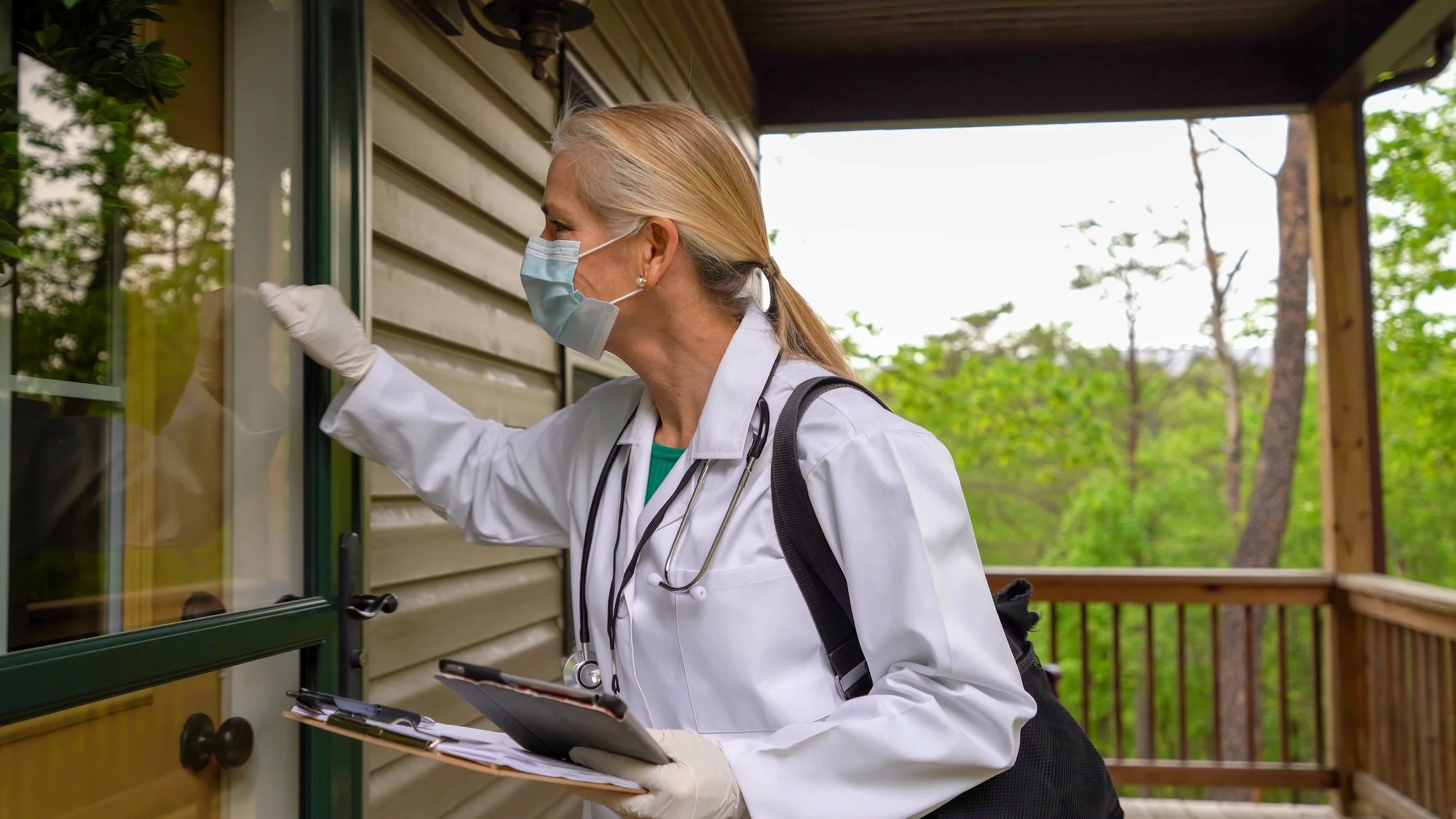
Those who are most interested in a rural healthcare practice are those who grew up in and prefer a rural setting.
By Carol Davis
KEY TAKEAWAYS
Even with loan-forgiveness incentives, most nurses leave rural practice after employment obligations are met.
Washburn University School of Nursing curriculum requires a certain number of hours in rural health settings to introduce students to rural practice.
The Grow-Your-Own APRN Fellowship in Colorado is successfully placing nurses in rural and underserved areas.
With the need for rural practitioners critical, the most effective way for rural hospitals and health systems to adequately staff for nurses and nurse practitioners is to grow their own, says nurse educator and practicing clinician.
The need for advanced practice nurses (APRNs) in rural areas is great, as hospitals close and the number of physicians declines. Nearly 80% of U.S. rural counties are medical deserts, with no access to healthcare services, according to the National Rural Health Association.
"I have students that live out in western Kansas and southwestern Kansas, and these students are being recruited heavily a year before they even graduate because those rural health clinics are having to staff with long-term locums who have been present for several months to a year because they don't have enough bodies to physically fill the positions that are there," Reisinger says.
The question is whether those APRNs will stay for the long term, she says.