News about general rural mental health issues and organizations
News about Mental Health And Rural America
Click here for Rural Minds™ Blog
Click Here for Rural Minds in the News
Ways and Means Protects and Expands Telehealth Access, Health Care in Rural and Underserved Communities
Today, the Ways and Means Committee took action to protect and expand health care for millions of seniors and for Americans directly in the communities where they live and work. The Committee approved six bills that address a wide range of pressing health care issues, particularly those facing rural communities. The package of bills preserves vital telehealth and health-at-home access, helps prevent rural hospital closures and bring back others already shuttered, incentivizes greater access to ambulance services, and expands the number of doctors and nurses in rural communities.

Biden-Harris Administration Announces More Than $770M for Rural Infrastructure Projects — Morning AgClips
During a visit to Edgecombe, N.C., a Rural Partners Network community, U.S. Department of Agriculture (USDA) Secretary Tom Vilsack and White House Domestic Policy Advisor Neera Tanden today announced that USDA is funding 216 projects in 45 states, Puerto Rico, and the Northern Mariana Islands to bring high-speed internet, clean water, state-of-the-art infrastructure and economic growth to rural communities as part of President Biden’s Investing in America agenda.
The new projects, totaling $772.6 million in investments, will benefit more than 1 million people living in remote areas of the country by providing reliable high-speed internet access, clean, safe water and a range of support for rural families, agricultural producers and small businesses.

New Bill to Expand Home-Based Virtual Mental, Substance Use Care – mHealth Intelligence
Two United States representatives have introduced a new bill that aims to expand access to at-home virtual mental health and substance use services in rural communities. Introduced by Andrea Salinas (D-OR) and Diana Harshbarger (R-TN), the Home-Based Tele-mental Health Care Act of 2023 would provide grants to support the delivery of mental health and substance use services in the homes of rural US residents, particularly those working in farming, fishing, and forestry occupations.

Few Doctors, Spotty Internet: Finding Mental Health Care Tough for Many Americans — U.S. News and World Report
Nearly one in five counties across the United States lack psychiatrists or internet service, making it difficult for around 10.5 million Americans to find mental health care, a new study shows. The counties examined in the study were more likely to be in rural areas, have higher unemployment rates, and have populations that were more likely to be uninsured and lack a bachelor’s degree. What’s worse, individuals who fall into any one of these categories are also more likely to suffer from depression and anxiety. So, the need for mental health services is especially critical in areas with the greatest barriers to access, the researchers noted. And while the pandemic created a rapid demand for telehealth, the medium has yet to reach the areas that need it most.

Life in a rural ‘ambulance desert’ means sometimes help isn’t on the way – Medical Marketing and Media
In rural areas where hospitals have shuttered, like Pickens County, the nearest surviving facilities are long drives away, ambulance coverage is sparse, and residents in the throes of medical emergencies often find their situations even more precarious. In May, the rural health research and policy centers released the results of an effort by the Maine Rural Health Research Center to document coverage gaps in the availability of ambulance services across the country — what the researchers refer to as “ambulance deserts.” They define those deserts as places where people live more than 25 minutes from the nearest station.
For Decades, the Top Rural Health Issue Has Been Access to Basic Care; Now It’s Mental Health and Addiction – Daily Yonder
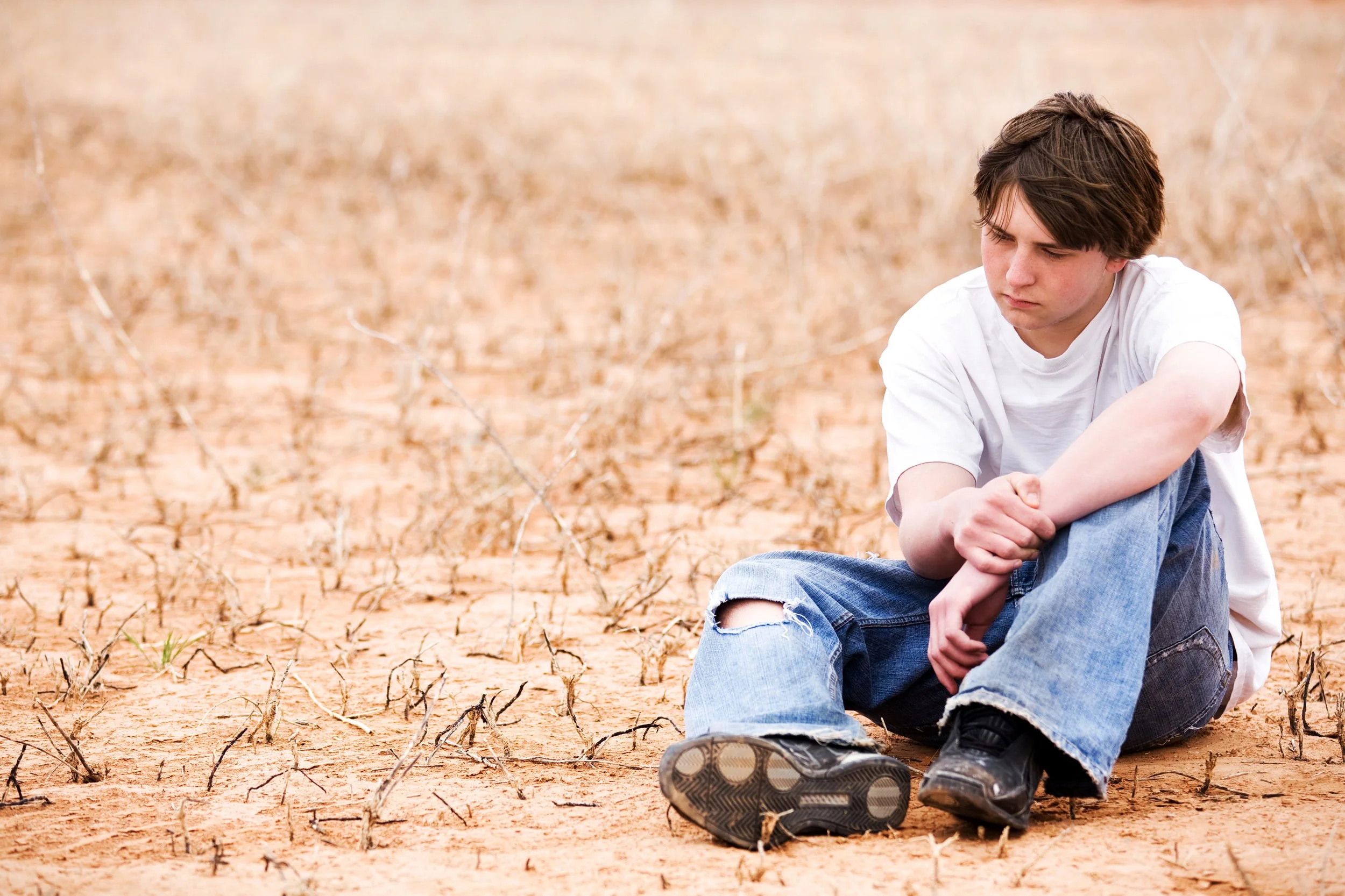
For the first time in 20 years, mental health and addiction are more pressing health concerns than getting access to basic healthcare, according to a survey of rural stakeholders. Rural Healthy People 2030, released by the Southwest Rural Health Resource Center, surveyed a national sample of people “working to improve the lives and health of rural Americans,” to determine the most important issues facing rural residents. Participants included people working in health care, public administration, education, human services, and other fields. In 2010 and 2020, the biggest issue in the survey was access to health care.
Need Nurses? Grow Your Own, Says Rural Nurse Educator – Health Leaders Media
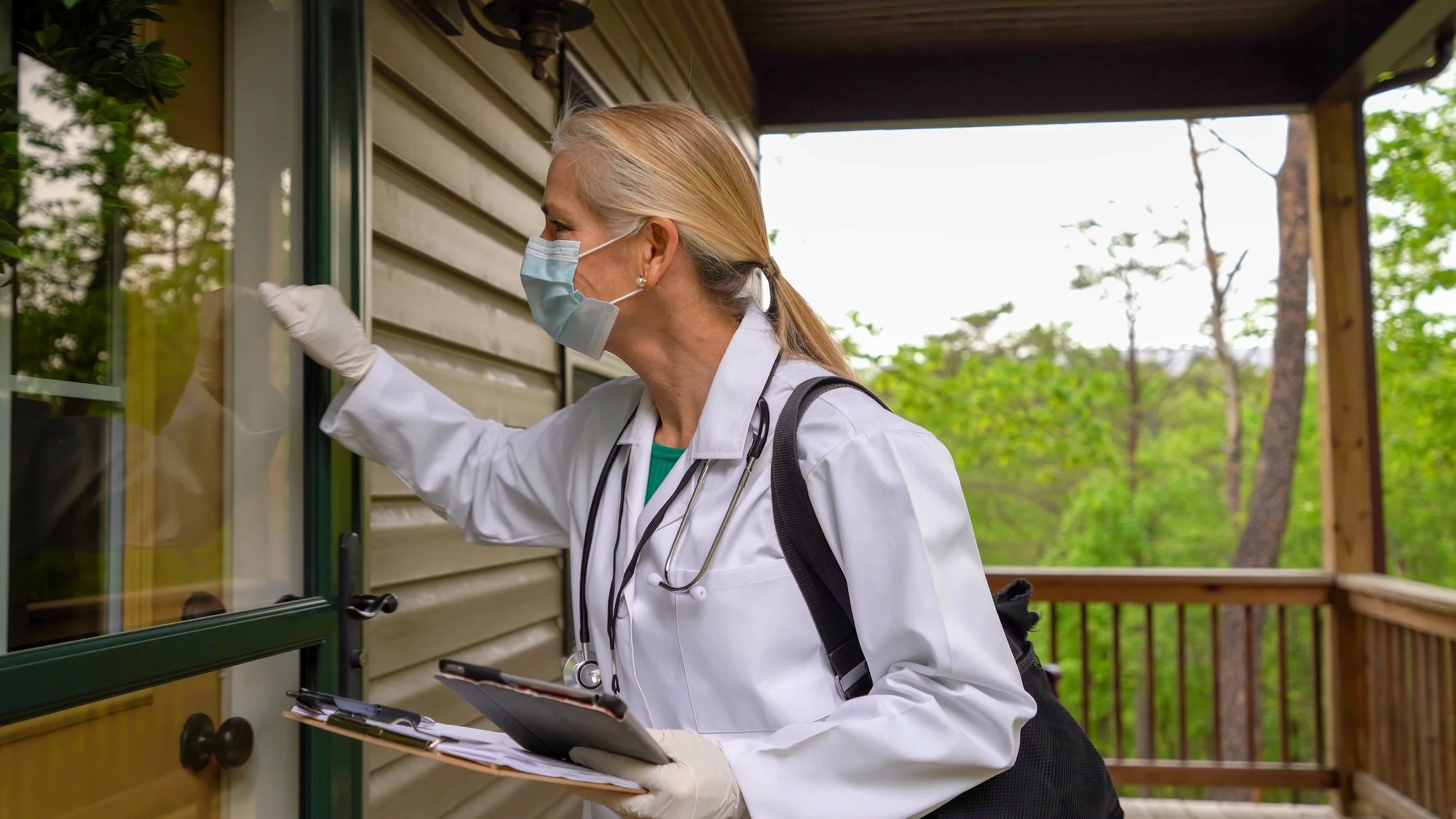
Those who are most interested in a rural healthcare practice are those who grew up in and prefer a rural setting. With the need for rural practitioners critical, the most effective way for rural hospitals and health systems to adequately staff for nurses and nurse practitioners is to grow their own, says nurse educator and practicing clinician. The need for advanced practice nurses (APRNs) in rural areas is great, as hospitals close and the number of physicians declines. Nearly 80% of U.S. rural counties are medical deserts, with no access to healthcare services, according to the National Rural Health Association.

8 Statistics That Explain the Rural Doctor Shortage–KXNews/Stacker
For Americans who live in cities or suburbs, going to the doctor is usually a simple errand. Even if they have trouble finding an appointment time that works for their schedule or getting their health insurance to cover it, their doctor’s office or hospital is usually a manageable distance from their home or work. However, for 46 million Americans living in rural areas, accessing healthcare isn’t as easy. According to a 2018 survey by the Pew Research Center, nearly a quarter of rural Americans say access to good-quality hospitals and doctors is a challenge for their community. Making things worse, these rural residents tend to be older, less wealthy, and less likely to have health insurance than their urban and suburban counterparts.

Doctor Shortages Distress Rural America, Where Few Residency Programs Exist – Medical Marketing + Media
More than 100 million people, or nearly one-third of the nation, have trouble accessing primary care, according to a recent study published by the National Association of Community Health Centers. This number has nearly doubled since 2014. The pandemic worsened provider shortages nationwide, but the problem is more acute in rural areas, which have long struggled to recruit and retain doctors and other medical professionals. Researchers say the relative lack of providers is one reason people living in rural areas experience worse health outcomes than people who live in urban areas.
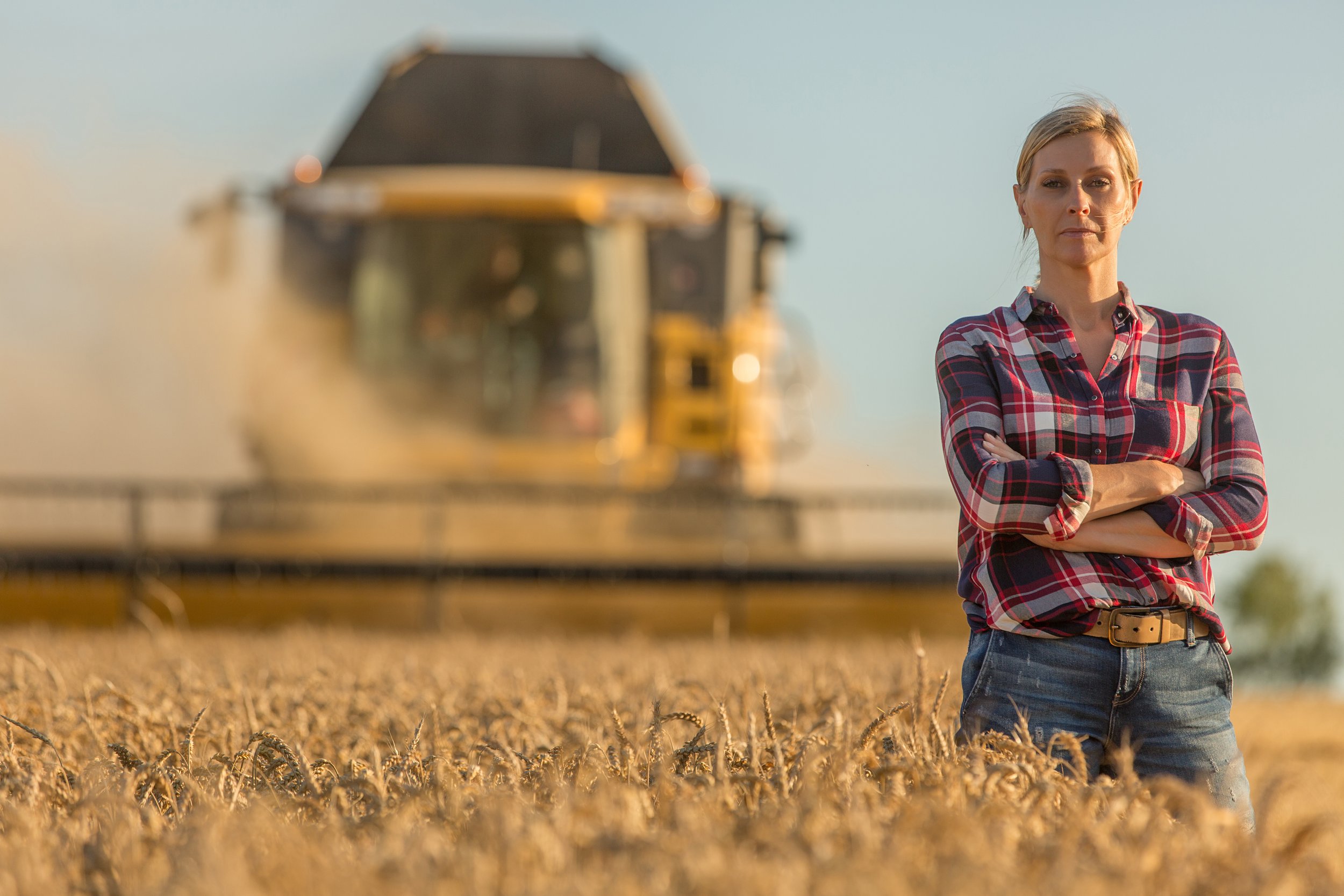
National Institute of Food and Agriculture – Mental health Is An Often-Overlooked Challenge Farmers Face Nationwide
Mental health is an often-overlooked challenge farmers face nationwide. Farmland loss and land access issues, rising production costs, plummeting farm incomes, climate change and, most recently, the COVID-19 pandemic are contributing to a mental health crisis within the farming community. Suicide rates among farmers and ranchers are well above the national average, while mental health services are less available and accessible in rural areas, according to the U.S. Centers for Disease Control and Prevention.

MedCity News –“No other option”: Telehealth Could Be Rural Healthcare’s Savior
During a Tuesday panel discussion at HHS’ National Telehealth Conference, Morgan called the fact that rural providers’ telehealth use lags far behind that of urban providers “beyond frustrating.” His organization has found that as rural providers implement telehealth services, many are struggling to address key questions about the patients they serve: Do they have broadband access? Do they know telehealth services are available to them? Do they know how to use the technology needed to virtually connect to their caregiver?

Mental Health Service Use, Suicide Behavior, and Emergency Department Visits Among Rural US Veterans Who Received Video-Enabled Tablets During the COVID-19 Pandemic – JAMA Network
In this retrospective cohort study of 471 791 rural US veterans with a history of mental health care use, receipt of a video-enabled tablet was associated with increased use of mental health care via video, increased psychotherapy visits (across all modalities), and reduced suicide behavior and ED visits. These findings suggest that video-enabled tablets may provide access to critical services for rural patients with mental health needs and reduce instances of suicide behavior and ED visits among them.