Media Coverage of Rural Minds
RURAL MINDS™ In The NEWS
Click here for RURAL MINDS BLOG
CLICK HERE FOR NEWS ABOUT MENTAL HEALTH AND RURAL AMERICA
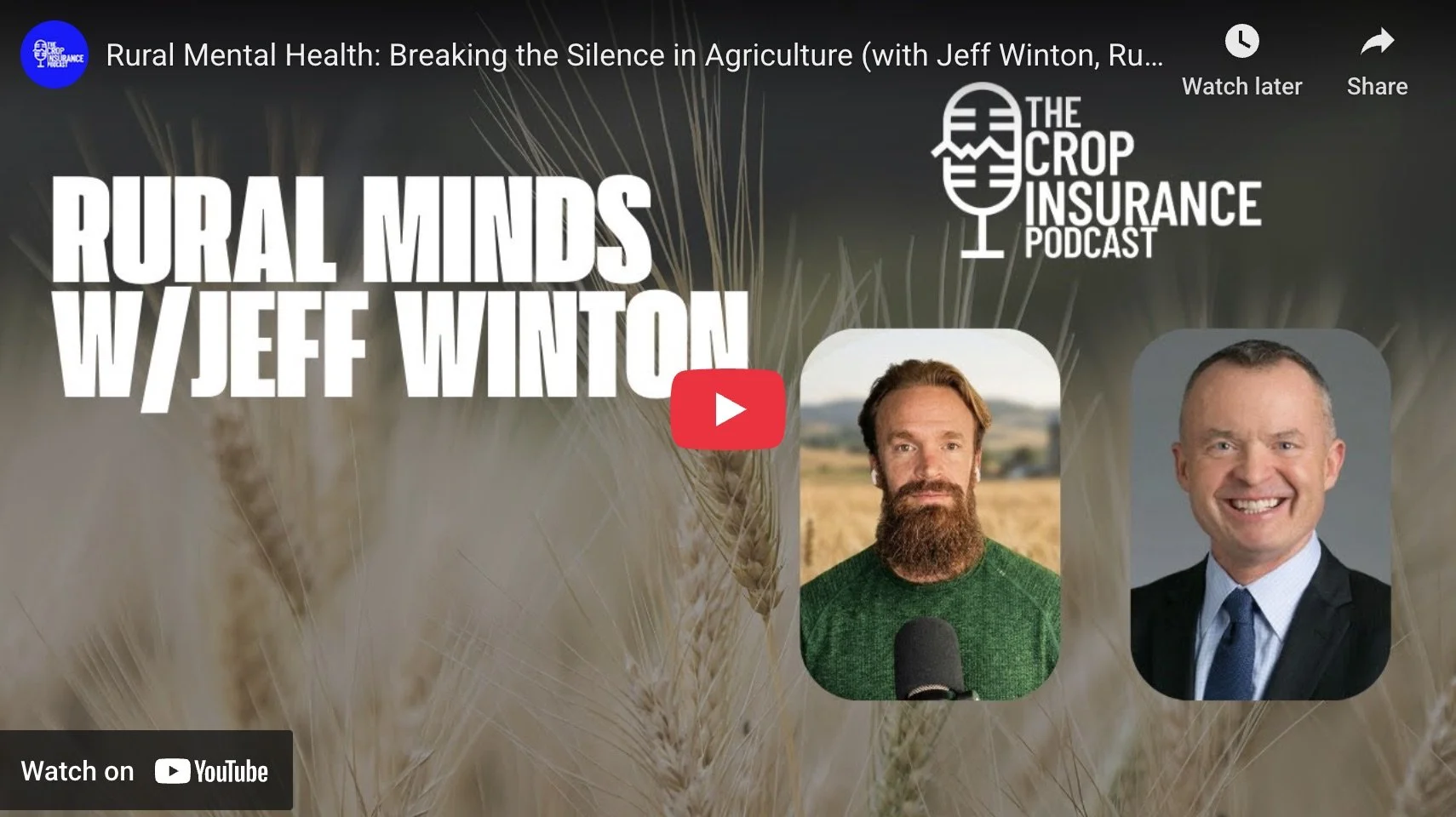
Rural Minds Founder & Chairman Jeff Winton Appears on The Crop Insurance Podcast
Rural Minds Founder & Chairman, Jeff Winton, recently joined host Mike Rydell on The Crop Insurance Podcast.
“In this episode of the Crop Insurance Podcast, I’m joined by Jeff Winton, a dairy farmer and the founder/chairman of Rural Minds — a national nonprofit focused on improving mental health equity in rural America. Jeff shares the personal story that sparked Rural Minds, what he’s hearing across farm communities, and practical ways to start the conversation, reduce stigma, and connect people to real help.

Rural Minds advocates for awareness of suicide, depression in rural communities - Susquehanna Independent
PENNSYLVANIA — Farmers spend a lot of time managing their equipment, their animals and their crops, but there’s one area they need to pay more attention to: their mental health.
Jeff Winton is the founder and chairman of Rural Minds, a nonprofit based in Mayville, NY that aims to combat the staggering rates of suicide and depression that plague the agricultural community nationwide. As a farmer himself, Winton knows that rural communities would rather hear advice from one of their own.

The Cost Of Silence In Rural America - SeedWorld
Why has mental health has become a leadership issue for agriculture and what will it take to make asking for help part of the job?
Resilience is one of agriculture’s most celebrated traits. It shows up in the way farmers and seed professionals absorb risk, adapt to shifting markets and keep showing up when the workday stretches long past daylight. It is embedded in family operations passed down through generations and in companies that survive downturns by staying disciplined and determined.
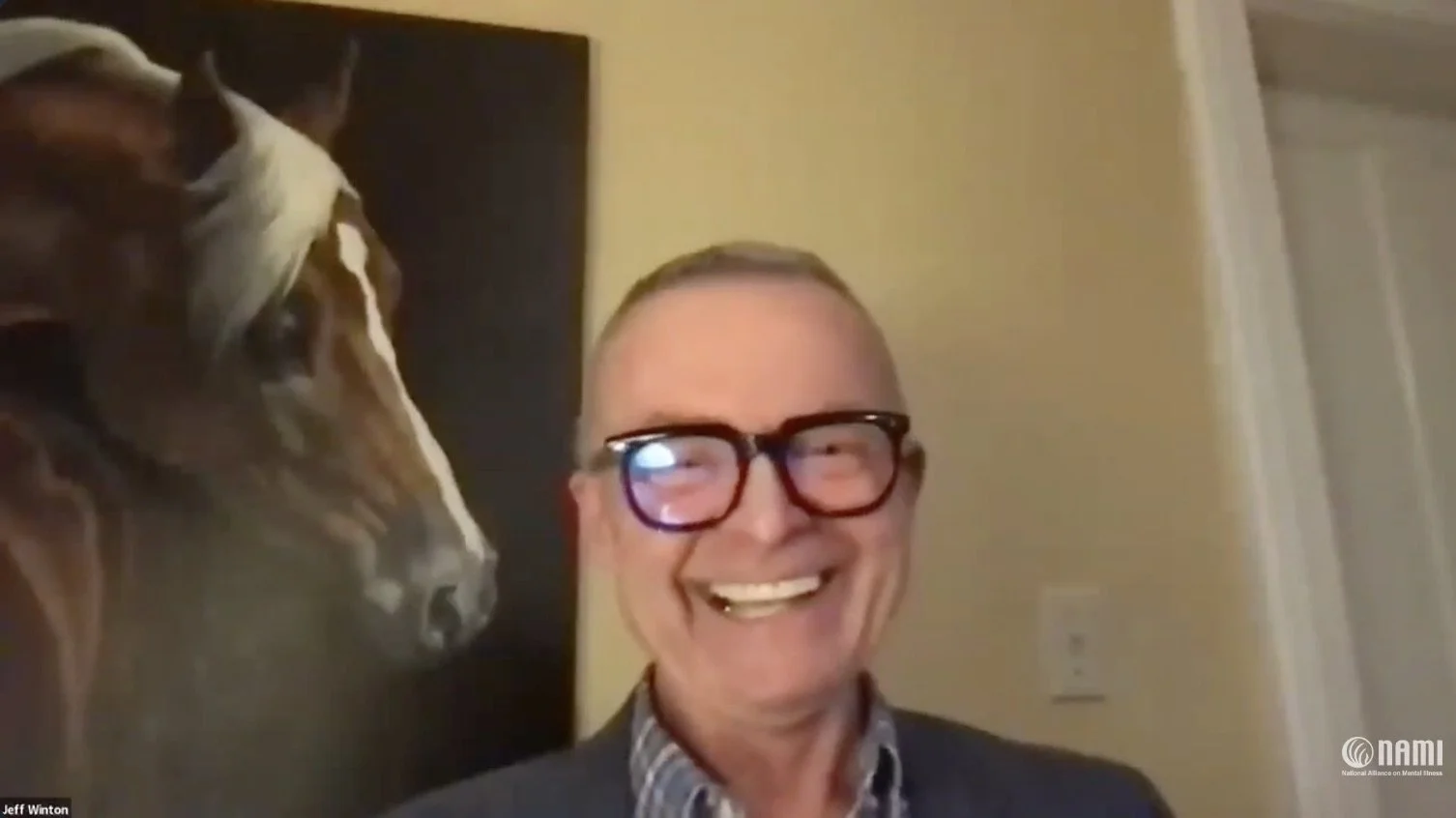
Rural Minds Founder & Chairman Jeff Winton Featured on NAMI “Ask The Expert” Webinar
Each year, as we recognize the third Thursday of November as Rural Health Day, it’s important to acknowledge that mental health is the foundation of overall health for the 46 million people living in rural communities across the country. There is a mental health emergency in rural America due to inherent barriers to mental healthcare that lead to suicide rates that are 49% higher among rural residents compared to urban residents. You may not realize it, but regardless of where you live – a city, the suburbs, in the country – you depend upon the mental and physical wellness of the people living in rural America for the food you eat every day. Rural communities include those who labor to raise, harvest, process, and package the foods that fill our shopping carts and satisfy our appetites.
Rural Minds Founder & Chairman Jeff Winton INterviewed by Farm Broadcaster Lorrie Boyer
Rural Minds Founder & Chairman Jeff Winton was recently interviewed by Farm Broadcaster Lorrie Boyer.

Rural Minds Founder & Chairman speaks on American Foundation For Suicide Prevention Webinar
Rural Minds Founder & Chairman Jeff Winton recently spoke on a webinar hosted by the American Foundation for Suicide Prevention.
The webinar is the second session of the American Foundation for Suicide Prevention's (AFSP) Health Equity Summit, focusing on advancing health equity in suicide prevention. The summit emphasizes the need for culturally relevant, relatable, and accessible resources for communities with disproportionate impacts related to suicide, including rural communities.
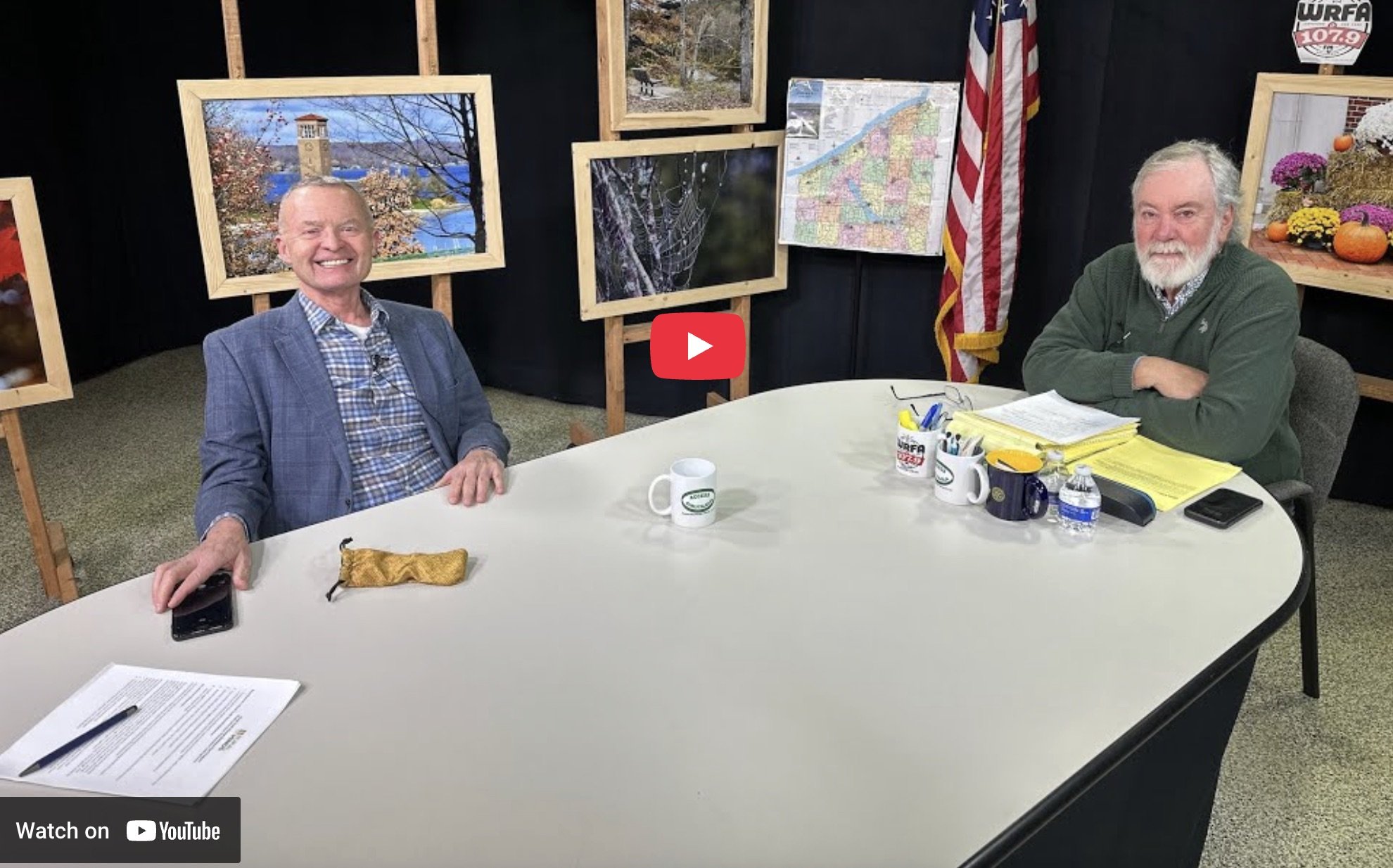
Rural Minds Founder & Chairman Jeff Winton Joins Host Doc Hamels on Chautauqua Sunrise
On Saturday, November 1, Rural Minds Founder & Chairman Jeff Winton was hosted by Doc Hamels on the television program Chautauqua Sunrise. The two discussed the ongoing crisis of mental illness in rural America, as well as the forthcoming National Rural Mental Health Month.

Rural Minds Executive Director Chuck Strand Interviewed on the Mental Health Matters Podcast with Host Andra Hollenbeck
Rural Minds Executive Director Chuck Strand appeared on the Mental Health Matters Podcast with host Andra Hollenbeck. The podcast is offered in partnership with NAMI-Southern Oregon (NAMI: National Alliance on Mental Illness).
The two discuss the mental health challenges facing rural Americans, the barriers to access to mental healthcare in rural areas, and addressing the stigma surrounding mental illness.

New Survey Shows Rural Pennsylvanians Face Lack of Mental Health Care - Observer-Reporter
A new survey of residents in rural parts of the United States, including rural Pennsylvania, shows many face challenges in accessing mental health care and treatment.
The data from Russell Research was conducted on behalf of Rural Minds, a national nonprofit organization focused on advocating for rural mental health equity. The survey questioned 1,500 people living in a rural county in either Pennsylvania, North Carolina or Florida about the barriers they face in accessing treatment and attitudes about efforts to increase access to care. Findings based on interviews with 500 Pennsylvania residents show:
– Eighty-one percent of Pennsylvania respondents have one or more barriers to accessing health care and mental health treatments, including high out-of-pocket costs, a shortage of physicians, psychiatrists and psychologists, poor to nonexistent internet service, long distances to medical services; self-imposed barriers include a cultural reluctance to ask for help, a lack of trust, and isolation.

Assessing Rural Populations’ Barriers to Mental Healthcare and Perceptions Towards Prescription Digital Therapeutics: A Cross-Sectional Survey - Frontiers
In the U.S., 23% of adults—nearly 60 million Americans—reported experiencing a mental illness in the past year, yet over half (54.7%) did not receive treatment (1, 2). Complex environmental and social factors contribute to this shortfall, and certain communities experience inequitable impacts (3). This includes the 20% of Americans living in rural areas, who often face gaping disparities in mental healthcare access stemming from a milieu of infrastructural and sociocultural factors (4–6). Sixty-five percent and 47% of rural counties lack a resident psychiatrist and psychologist, respectively, compared to 27% and 19% of metropolitan counties (7). Securing transportation to this physically distant care may be especially burdensome for those who lack public transit or depend on others for their transportation (8). Even telemedicine remains unfeasible for some rural areas, where broadband may be limited or entirely unavailable (9–12).