News about general rural mental health issues and organizations
News about Mental Health And Rural America
Click here for Rural Minds™ Blog
Click Here for Rural Minds in the News

Medpage Today – Why Can't We Say 'Suicide'?— Ignoring This Illness Is Not Sustainable
Why are we afraid to say the word "suicide?" Usually, it is for the benefit of the family, out of respect for their privacy. But the real reason is that mental disorders remain the most stigmatized of all illnesses, and suicide encapsulates mental aberrations to the extreme. I never considered my specialty (psychiatry) to have a mortality rate until one of my supervisors reminded me that our patients die by suicide and sometimes kill others by homicide, acts which can be prevented more often than not.

Neurocrine Biosciences Honors Mental Health Awareness Month and Fifth Anniversary of Tardive Dyskinesia Awareness Week
States across the country declare first week of May (1-7) Tardive Dyskinesia Awareness Week to raise awareness of this burdensome and often misunderstood condition. An estimated 75% of those with TD have not been diagnosed and an estimated 600,000 people live with this condition in the U.S. alone.
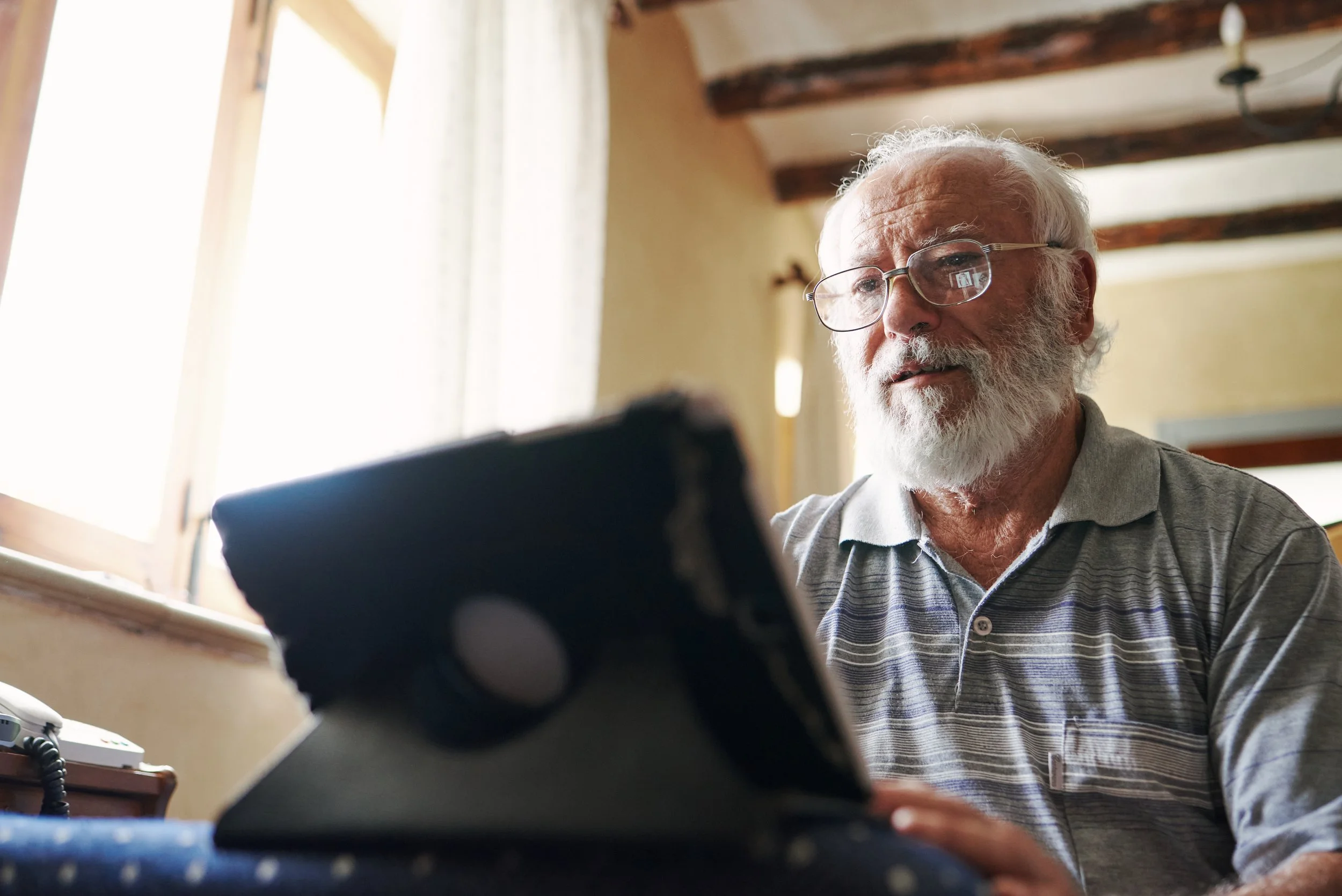
Mental Health Service Use, Suicide Behavior, and Emergency Department Visits Among Rural US Veterans Who Received Video-Enabled Tablets During the COVID-19 Pandemic – JAMA Network
In this retrospective cohort study of 471 791 rural US veterans with a history of mental health care use, receipt of a video-enabled tablet was associated with increased use of mental health care via video, increased psychotherapy visits (across all modalities), and reduced suicide behavior and ED visits. These findings suggest that video-enabled tablets may provide access to critical services for rural patients with mental health needs and reduce instances of suicide behavior and ED visits among them.

Changes Needed in How We Address Mental Health, Says U.S. Policy Advisor–MedPage Today
Ambassador Susan Rice, director of the U.S. Domestic Policy Council, laid out the Biden administration's plan to address the nation's burgeoning mental health crisis during an online briefing hosted by the USC-Brookings Schaeffer Initiative for Health Policy and the Commonwealth Fund on Wednesday afternoon. Rice cited a report from 2019 that showed that one in three high school students said they felt persistent feelings of sadness or hopelessness in the prior year – a 40% increase from a decade earlier. Additionally, teen suicide rates jumped by 57% from 2007 to 2018, with Black teens twice as likely to complete suicide versus white teens.
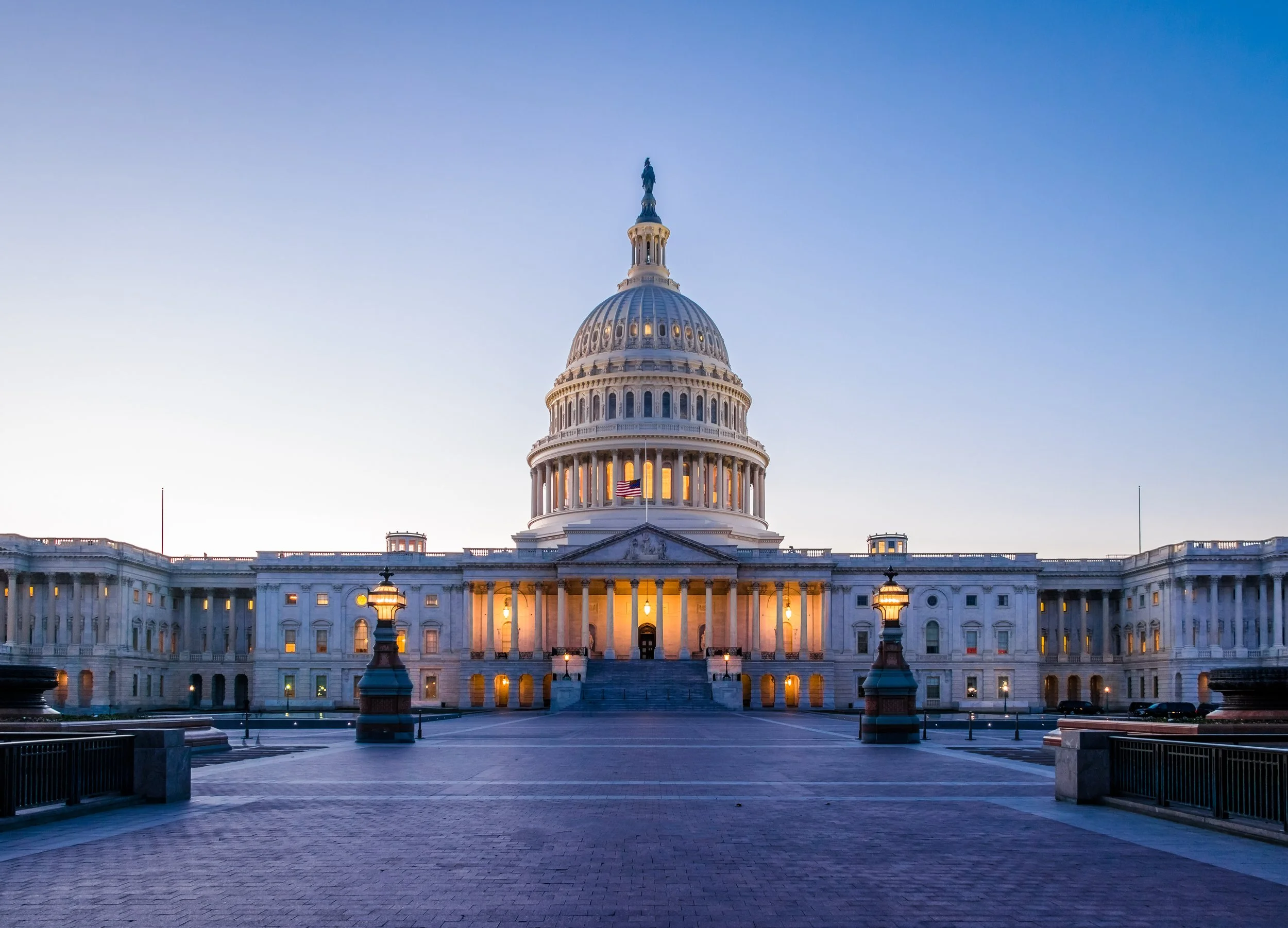
New Congressional Bill Will Spotlight Actual Prevalence, Cost Burden of Schizophrenia-Schizophrenia & Psychosis Action Alliance
The Cost of Mental Illness Act of 2022, introduced by U.S. Reps. Guy Reschenthaler (R-PA) and David Trone (D-MD), authorizes a study of the costs of serious mental illness on U.S. families, hospitals, nursing homes, and the penal system, as well as a national survey to determine the actual number of people living with the neurobiological disease.

CBS Evening News - Mental Help Hotline Helps Farmers in Crisis
"The last 20 years have been terrible," Jim Kalbach told CBS News. "You gotta be great big or you just as well forget it. Five hundred acres won't do it anymore — you need 5,000." Those who remain are barely holding on. According to the Centers for Disease Control and Prevention, farmer suicide rates have spiked 40% in less than two decades. That's why the Minnesota Department of Agriculture has launched a hotline to help.

HHS Announces Nearly $35 Million To Strengthen Mental Health Support for Children and Young Adults
Today, the Department of Health and Human Services (HHS) – through the Substance Abuse and Mental Health Services Administration (SAMHSA), and the Office of Minority Health (OMH) – announced nearly $35 million in funding opportunities to strengthen and expand community mental health services and suicide prevention programs for America’s children and young adults. The American Rescue Plan funded $9.2 million. This announcement is part of a new Administration-wide initiative to tackle the nation’s mental health crisis.

Volunteer to Become a Rural Mental Health Support Group Facilitator–DBSA
The Depression and Bipolar Support Alliance (DBSA) is expanding their existing support group network to create online rural mental health support groups that recognize the unique challenges of people in rural America who are living with a mood disorder. These peer-run rural online support groups will offer participants a confidential and supportive setting with support and learnings from others who have lived experience with depression and/or bipolar disorder. Formation of these groups is dependent upon people in rural communities who want to make a difference in the lives of others by volunteering to serve as a rural support group facilitator.

In Rural America, Patients Are Waiting For Care — Sometimes With Deadly Consequences – NPR
Small rural hospitals — also known as critical access hospitals — have struggled with an influx of critically ill COVID-19 patients during the omicron surge. But they have fewer clinical resources, which means they've suffered disproportionately from the effects of a jammed-up health care system. During the omicron surge, staff at small hospitals often have to scour the region for available beds while patients wait, making dozens and dozens of calls.

Counties With Low Vaccination Rates Endured ‘More Intense Surge’ Of Covid Cases During Delta Wave, Study Finds – Forbes
During the third wave of the pandemic in the U.S., areas with low vaccine coverage endured far more Covid-19 cases than highly vaccinated areas, according to a new peer reviewed study published in JAMA Network Open, underscoring the large-scale benefits of vaccination in controlling the virus.
The vast majority—more than 80%—of counties with low vaccination rates were in rural areas, which the researchers said face many challenges in responding to the pandemic compared to urban areas.
New Initiative Focuses on Farmers’ Mental Health – WSFA News, Montgomery, AL
“We saw some statistics and it showed in a rural communities we were having a bigger issues. You think about it, farming by nature is fairly isolated, and then you remove people being able to go to churches and the schools are closed. And we know that can play into mental health,” said Pate.
Seeing a need, as we continue to navigate a pandemic, industry partners came together Monday for the inaugural mental health first aid training as part of the “A Healthy You, A Healthy Farm” initiative.
“There’s really no reason that somebody ought to struggle and feel like they’re on their own or have to do it by theirself,” said Pate. ”We all need help. We all need each other.”

Alkermes Announces Positive Topline Results From ENLIGHTEN-Early Phase 3b Study of LYBALVI in Patients Early in Illness
Alkermes plc announced positive topline results from ENLIGHTEN-Early, a phase 3b study that evaluated the effect of LYBALVI® (olanzapine and samidorphan) compared to olanzapine on body weight in young adult patients (ages 16 to 39; mean age: 26 years) with schizophrenia, schizophreniform disorder or bipolar I disorder who were early in their illness. The study met its pre-specified primary endpoint, as patients treated with LYBALVI experienced statistically significantly less weight gain than patients treated with olanzapine at Week 12.

Serving the Mental Health Needs of Rural Teens Means Tackling Other Obstacles as Well - The Daily Yonder
Recently, the U.S. Surgeon General Dr. Vivek Murthy issued an advisory on youth mental health, saying the pandemic has increased mental health issues in the country’s children. The report said living in rural areas and having limited access to school or accessing mental health services puts rural children at greater risk of having mental health challenges. “Since the pandemic began, rates of psychological distress among young people, including symptoms of anxiety, depression, and other mental health disorders, have increased,” the advisory said.

Effective Communication in Farm Families Reduces Stress – Lancaster Farming
Oftentimes in farm families, women represent a key facilitator of communication. That is why John Shutske, of the University of Wisconsin Center for Agricultural Safety and Health, presented “Effective Communication Skills and Strategies to Reduce Stress on the Farm,” a webinar hosted recently by PA Farm Link’s Women in Agriculture program.
…“By listening and respecting people where they’re coming from, and understanding the feelings they’re coming from, and suggesting next steps, you can diffuse a really complex situation,” Shutske said. “Look for the cues that more communication is needed.”

Farmer is Reminded that Others are There to Help-Farm Bureau
One thing I have noticed is farmers are the very first ones to go help a neighbor in need. But a farmer will typically do anything in his or her power not to ask for help. This was pointed out to me as I was asking a friend about whether I should write about what we were going through. I sent her a private message so I wouldn’t put it out there for the world to know and she laughed at me because she said it proved my point: I don’t like asking for help.

Patients Drive Hours to E.R.s as Omicron Variant Overwhelms Rural Hospitals–Wall Street Journal
Hospitals in the U.S. are struggling to staff medical facilities as a wave of Covid-19 cases sidelines healthcare workers. Some hospital administrators are being forced to turn to last-resort measures to ensure quality of care.

Benefits of a Telehealth Approach to Treating Mental Illness among Veterans in Rural Settings
Approximately 40% of Veterans live in rural areas, and while the prevalence of trauma-related mental health difficulties, including PTSD, are equivalent to other Veteran groups, their rates of service use are among the lowest. In response, VA has made several remote care options available as alternatives to in-person mental healthcare through its Office of Connected Care. Remote care helps solve logistical barriers, such as distance, transportation, and travel costs, as well as barriers such as taking time off work or school, arranging child or elder care, and physical limitations, all of which limit Veterans’ ability to engage in in-person mental healthcare. Remote care also helps resolve clinical barriers, such as stigma around seeking mental healthcare.

Elevating the Farm State of Mind– Farm Bureau
“How are you doing?” It’s a simple question, but it can make all the difference if we’re willing to ask and stop to listen to the answer. Anyone who’s been under the weight of stress or grief knows how a friend—or even a stranger—taking a moment to care and listen can help lift that burden. For farmers and ranchers, it can be tough to take that first step. We are known for our grit and resilience. We are people who don’t shy away from a challenge, but we are not immune to the stresses of life and the toll they can take. But we are getting better at facing these challenges together.
National Poll Shows COVID-19 Taking Heavy Toll on Farmers’ Mental Health– American Farm Bureau
A strong majority of farmers/farmworkers say the COVID-19 pandemic has impacted their mental health, and more than half say they are personally experiencing more mental health challenges than they were a year ago, according to a new American Farm Bureau poll. The survey of rural adults and farmers/farmworkers explores how the pandemic has affected their mental health personally and in their communities, as well as how attitudes and experiences around mental health have changed in rural and farm communities since AFBF conducted its first rural mental health survey in 2019.
Stress, Opioid Misuse Taking Toll on Farming Communities – FarmProgress.com
Three out of four farmers have been directly impacted by the opioid epidemic in our nation. Let that statistic from the American Farm Bureau sink in for a moment. Three out of every four farmers are or have been directly impacted by opioid misuse — either by having a friend or family member addicted, having taken an illegal opioid, or having dealt with addiction themselves. It is a startling statistic that shows the extent to which the opioid epidemic has hit rural America.