
Suicide Prevention Awareness: Lessons Learned Living in Rural America
My parents both showed up for all my 4-H and FFA activities from livestock shows and club meetings and always picked me up and dropped me off at leadership camp. We were a family of five, and I was the youngest of my siblings. I am sure there was stress within the family, but it wasn’t noticeable or anything out of the ordinary looking back as an adult. However, our family had an unexpected and abrupt change when I was 15.
My dad got sick on Sunday and died on Wednesday, the first day of school in my sophomore year of high school. My brother and sister had already moved out of the house and moved on with their lives. My sister was married, and my brother was in school. One would think this would be the most devastating thing to happen to a family, but unfortunately, it was not.
On April 16, 2012, I was at work at the National Farmers Union in a staff meeting when I got a very frantic call from my brother’s wife. I answered the phone, and all she could say was, “He was dead.” I had to ask, “Who was dead?” – I found out that my brother had taken his own life that night. He was only 42, younger than I am now.
Looking back, I can see that the signs were there, but we weren’t looking for them. The stigma surrounding mental wellness was alive and well in rural Texas, and we simply didn’t talk about mental wellness at all or ever.
The initial shock that ran through our family was common thoughts like, “This doesn’t happen to families like us,” but it did. It wasn’t until after my brother’s death that I learned that my paternal grandmother had also died by suicide in the late 1950s. Sadly, it took the two deaths by suicide of my grandmother and brother before my family started speaking about the depression and alcohol use in our family.
Since then, I have taken it upon myself to continue to advocate for increased awareness around mental wellness issues, predominantly in rural America. We need to make sure rural America has the resources necessary to combat the stigma of asking for help and mental health care for those who are struggling. Suicide rates among people living in rural areas are 64 to 68 percent higher than those in large urban areas. This isn’t just an urban problem.
If you or a friend/loved one is dealing with depression, anxiety, substance issues, or other mental wellness concerns, don’t hesitate to ask for help. Contact the 988 hotline or the American Foundation for Suicide Prevention at www.afsp.org or our partner at Rural Minds at info@ruralminds.org or (800) 226-8113. Approximately 21 million adults in the United States, or 8.3 percent of our population, experienced at least one major depressive episode in 2021.
I know as a cis white male, it can be hard to ask for help. As a person from that generation who has experienced depression, anxiety, and substance abuse, I can personally tell you that you can get through this. There are people out there willing to listen and help. Just say something to one person. It can save your life or the life of a loved one.
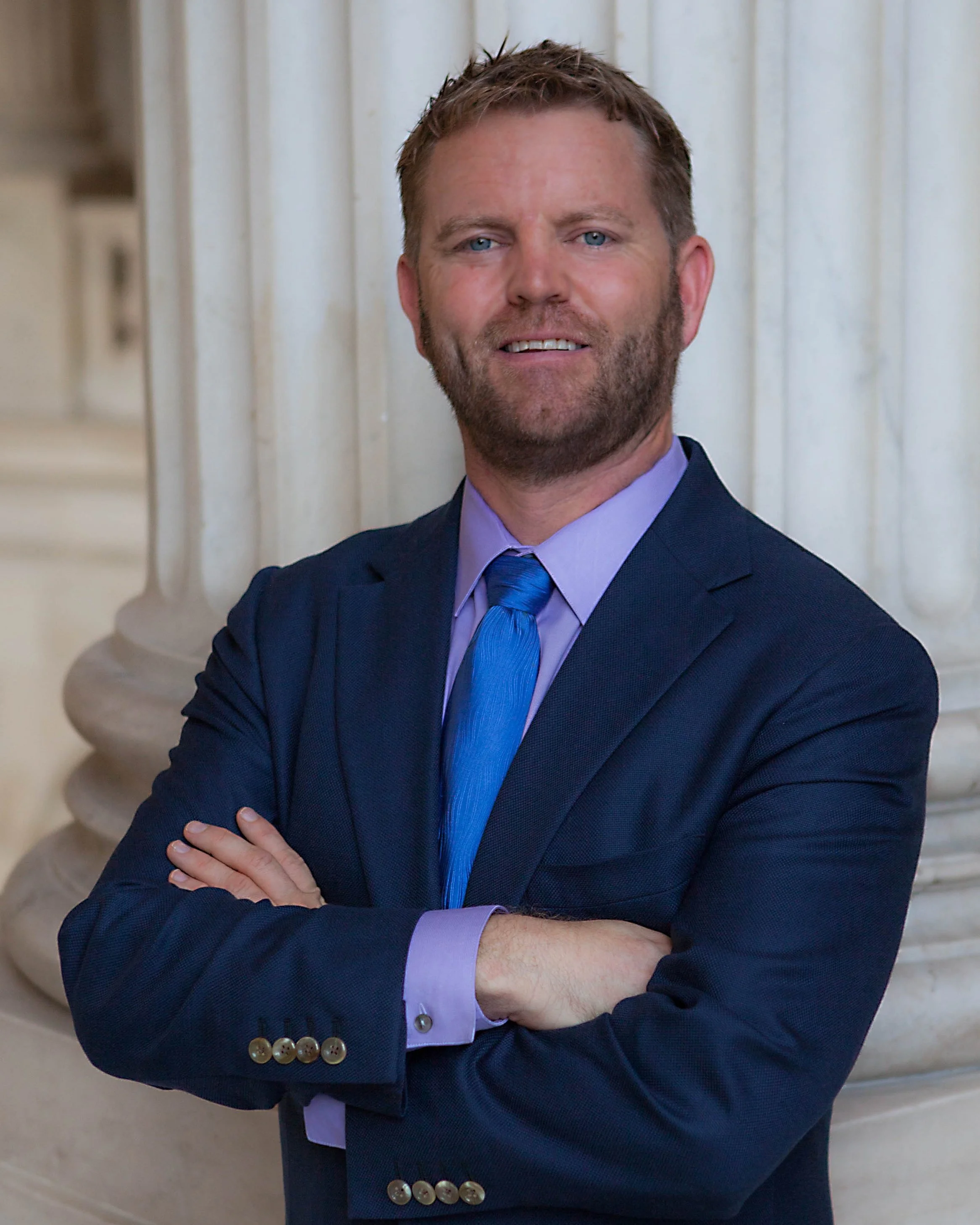
Chandler Goule
CEO - National Association of Wheat Growers
Chandler Goule is NAWG’s Chief Executive Officer. Chandler leads NAWG’s efforts to advocate for American wheat farmers and acts as Executive Director of the National Wheat Foundation. Chandler has worked extensively in Washington, D.C., on agriculture, food safety and trade policy. Over the past decade, Chandler has become an advocate for increasing awareness and resources around mental health and substance abuse in rural America.