
Telemental Healthcare in Rural America –A Q&A with Dr. Pravesh Sharma
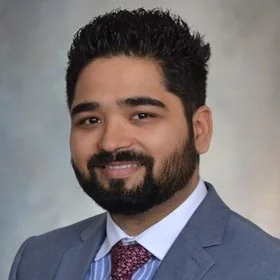
Assistant Professor of Psychiatry and Psychology Dr. Pravesh Sharma is a child and adolescent psychiatrist with Mayo Clinic Health System in Eau Claire, Wisconsin. His research areas include substance use disorder among adolescents and young adults and digital health equity among rural and racially diverse populations.
Dr. Sharma recently participated in the first Rural Minds Mental Health Connections Webinar, presenting the impact of digital healthcare technology and telemental healthcare services. Click here to watch the webinar.
In this article, Dr. Sharma shares his insights on digital healthcare in rural communities.
Q: One of your areas of research is in “digital health equity.” Could you explain what that is?
A: As the name suggests, digital health equity means equal access to digital health for everyone. And by digital health, we mean providing healthcare via technology, also known as telemedicine and telemental health. The expectation is that people, irrespective of their area of residence and economic statuses, such as those living in rural areas or people from socioeconomic-deprived communities, should also be able to access digital healthcare. Therefore, the term digital health.
Q: Why is access to telemental health important to rural communities?
A: Traditionally, rural areas are generally located on the outskirts of primary healthcare systems. Take the Mayo Clinic as an example. Fortunately, Mayo Clinic cares for a lot of people in rural areas. But many people still come from 100 or 200 miles away to Mayo Clinic for treatment. Sometimes it’s not easy to travel all that way, especially when it snows. And with COVID-19, for example, face-to-face appointments were limited. That meant many individuals living in rural areas who did not have access to the internet or experience other barriers may not have been able to access digital health.
This is an excellent example of the importance of digital inclusion and why people who live in remote areas and rural communities should have digital access to receive timely healthcare.
Q: What are some of the primary challenges of accessing telemental health that are unique to people living in rural communities?
A: When discussing digital inclusion in rural areas, the most important thing is access to broadband internet. And not just access, but also high-download speed internet access so that we can provide interruption-free digital care. Digital access is number one.
Having a digital device is the second challenge. Many people may not have a smart device or computer in their homes capable of getting digital access. And the third challenge is digital literacy. You may have a broadband connection and a digital device, but it’s another barrier if you don’t know how to work with that digital device.
These are some specific areas we are studying in our research at Mayo Clinic and how they affect individuals’ satisfaction when they try telemedicine with a healthcare institution.
Q: Could you discuss how both digital access and digital literacy have an impact on determining an individual’s overall health?
A: Basically, digital access follows a similar pattern to having other resources, such as wealth or other economic opportunities. Because if you don’t have access to these things, it compromises your healthcare. Digital access and digital literacy are similar to an individuals’ access to transportation and economic conditions. That’s why now more people want to include digital access and digital literacy as social determinants of health.
Limited access to internet doesn’t work in isolation as a determinant of a person’s health. To measure patients’ digital capacity to engage in telehealth, they must have internet access, a smart device, and digital literacy. For example, if you have internet access and don’t have a device, it doesn’t work. If you have a device and don’t have internet access, it doesn’t work. And if you have internet and a smart device but don’t have digital literacy, it doesn’t work.
In our recent research papers, we have advocated that healthcare systems and clinicians need to screen these three barriers in every patient if they want to have a successful digital connection with patients.
Q: What are some key ways to advance mental health equity in rural communities?
A: Before we come up with a solution, it’s essential to identify the problem. If there’s only one positive that came out of COVID-19, it is that we are now studying and trying to understand the technological barriers associated with mental health, especially in rural populations. If we want to solve these issues, then we must identify the barriers.
Our team at Mayo Clinic is trying to facilitate this process of improving patient screening with digital access, digital devices, and digital literacy. So, we are trying to develop a digital screening tool – which we are in the process of validating – so that we can include it in our electronic health records. For every patient who comes in, a nurse or support staff will be able to get this information.
Using this information, we can also identify areas of low broadband connection, low digital literacy, or less access to smart devices. And then, we can apply tailored solutions. For example, when I see patients using telehealth, I can help them locate nearby free public WiFi, such as a library, where they can have an appointment with me.
Q: From your experience in treating patients in rural communities using telemental health, have you found they are hesitant or express concerns? If so, how do you overcome those concerns?
A: At Mayo Clinic, we did a study that describes the barriers associated with telemedicine and telemental health. This was a qualitative study in which we interviewed patients from all the locations of Mayo Clinic, and we identified specific barriers. And the most common barrier for patients was difficulty establishing a rapport with their healthcare providers through telemedicine. But when we talked about each specialty, patients were pretty comfortable with psychiatry – probably because we don’t have to physically examine patients like other providers such as primary care doctors. Other barriers included digital literacy and concerns about privacy and security.
In addition to working through the barriers and concerns with individual patients, it is essential to have a relationship with stakeholders and leaders in the community to help disseminate information when introducing telehealth services. My role as a physician is different from that of a person from the community, telling other community members about this information.
In the research project that we are currently working on, the model will include a digital task force that incorporates a patient representative, a community leader, and hospital leadership. The digital task force would then meet periodically to understand the telehealth challenges and barriers faced by patients in that community.